
My project was rooted in a simple but powerful idea: we can build healthier, more resilient communities by growing food in harmony with nature, sharing knowledge, and reconnecting people with the plants and ecosystems that sustain us.
Through this project, I established a community food forest by planting nut trees and a selection of native and underutilised perennial food crops, including skirret, sunchokes, groundnut (Apios americana), and crosne. Alongside the planting, I provided educational workshops on food forests and seed saving, giving community members opportunities to learn practical skills and explore more sustainable ways of growing food.
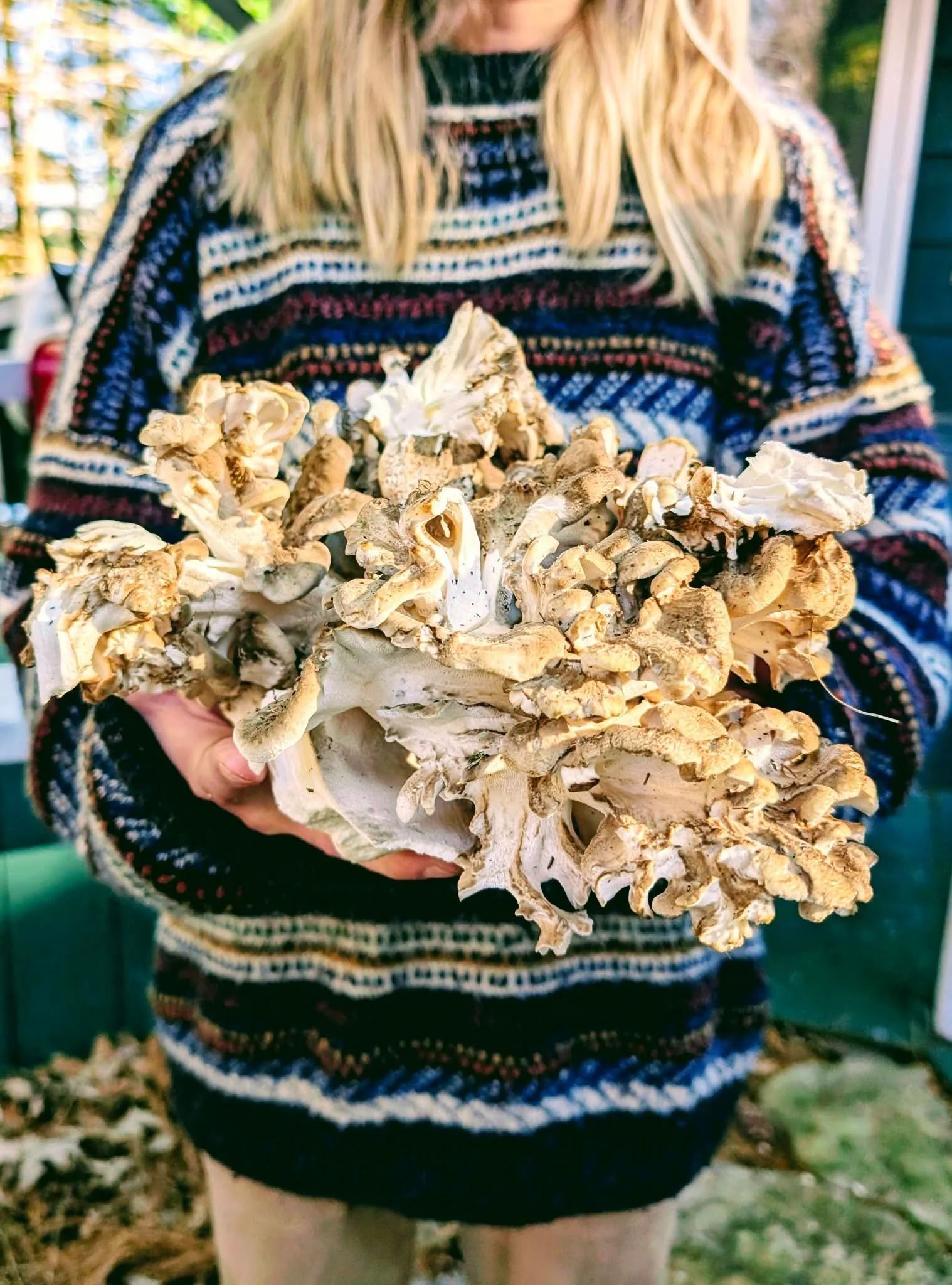
Photos courtesy of Michaela Norgren (@laughing.radish)
The project was about more than planting edible species. It was about demonstrating how we can transform our relationship with food and the land, moving away from dependence on conventional food systems and toward greater local food sovereignty, biodiversity, and community resilience.
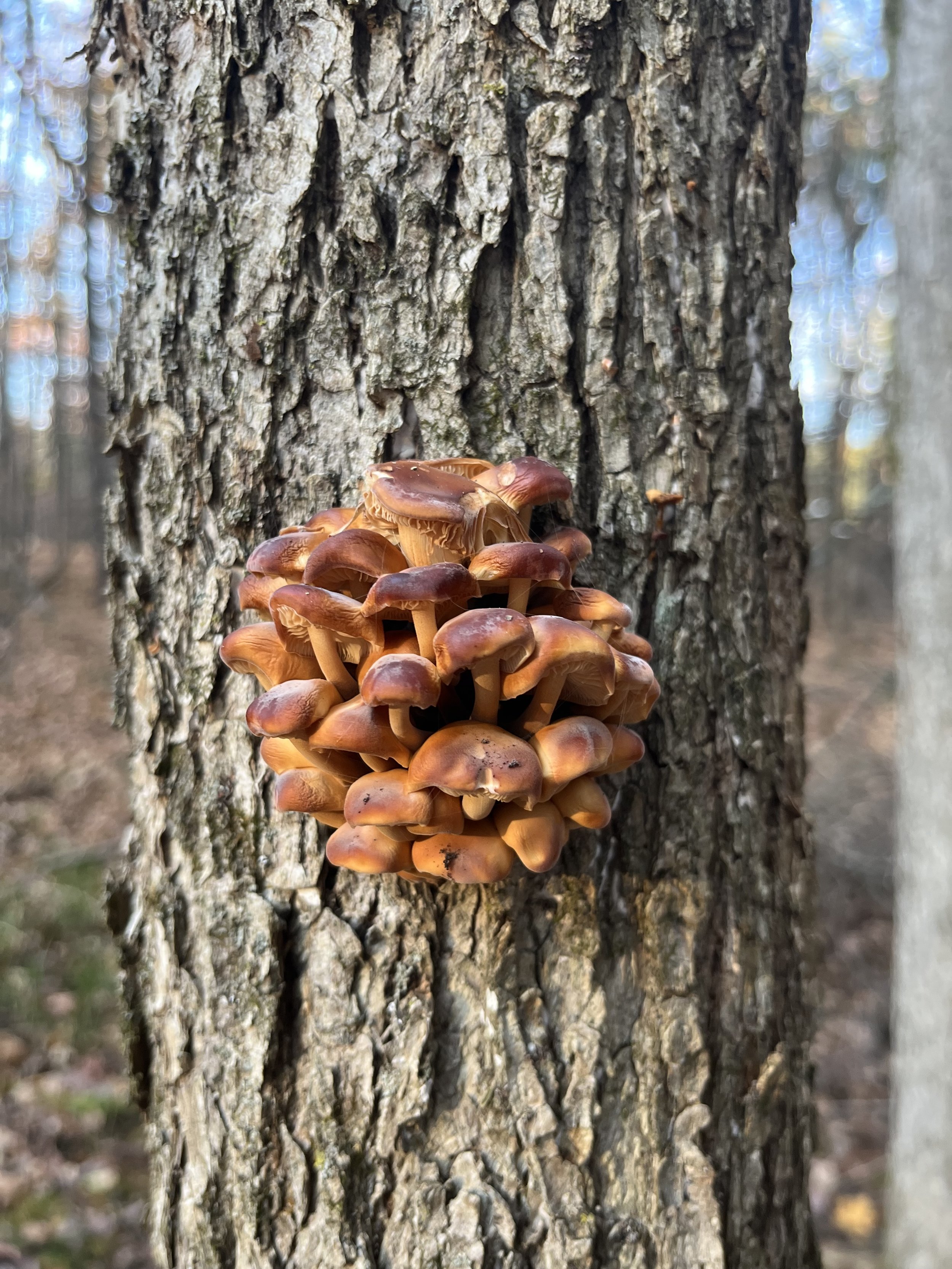
I deliberately chose perennial and lesser-known food crops to introduce people to the incredible diversity of plants that can nourish us. Nut trees are a long-term investment in future generations, offering the potential for nutritious food, habitat, shade, and carbon storage. Perennial crops such as skirret, sunchokes, groundnut, and crosne, as well as foraged crops like wild mushrooms, acorns, hickory and edible “weeds” like dock, miners lettuce and lambs quarters demonstrate that food production can be integrated into living ecosystems rather than relying solely on annual cultivation and high input gardening.
Education was a key part of the project. Through food forest workshops, I shared knowledge about perennial food systems, ecological gardening, biodiversity, and the benefits of growing food in layers that mimic natural forest ecosystems. Through seed-saving workshops, I encouraged participants to rediscover the importance of preserving seeds, increasing genetic diversity of seed stocks through cross pollination and seed landrace creation. My hope was that participants would take these skills into their own gardens and communities, allowing the project's impact to grow beyond the original planting site.
Reconciliation was an important consideration in the project's focus on native food plants and the recognition of traditional food knowledge. Groundnut (Apios americana), as well as sunchokes (Helianthus tuberosus), for example, are North American native food plants with a long history of use by Indigenous peoples. Bringing attention to this often-overlooked but incredibly resilient food crop creates opportunities to recognize the deep relationships between Indigenous communities, local ecosystems, and traditional food systems. It also challenges the narrow view of what constitutes food and encourages us to learn about the edible plants that are native to the lands we inhabit. I see this as an invitation to approach the land with greater respect, curiosity, and awareness of the knowledge and stewardship that existed long before modern agriculture. Reconciliation requires ongoing learning, listening, and respect for Indigenous knowledge and relationships with the land.
Inclusion was addressed through accessible, practical, community-based education. Growing food and saving seeds are skills that people of different ages, backgrounds, and experience levels can learn and share. The workshops created opportunities for people to connect through hands-on knowledge and discover that they do not need extensive land, expensive equipment, or years of experience to begin contributing to a more resilient food system. Since I partnered with youth, as well as organizations like the Perth Table Community Food Center who serve a general population, youth, adults and elderly individuals had the opportunity to create intergenerational connections, and the opportunity to learn from one another! By introducing unusual and underutilized crops, I also hoped to broaden people's understanding of food diversity and encourage experimentation, knowledge sharing, and participation.
Climate action was woven into every aspect of the project. Planting nut trees and perennial food crops is an investment in a more climate-resilient landscape. Trees store carbon, provide habitat, and contribute to healthier ecosystems. Perennial food crops can reduce the need for annual soil disturbance and repeated planting, while helping maintain living root systems and supporting soil health. Focusing on a food forest system also helps create food access in environments where typical farming crops would not grow. Diversifying local food production also helps reduce dependence on long-distance food supply chains and creates opportunities for communities to become more self-reliant in the face of climate uncertainty.
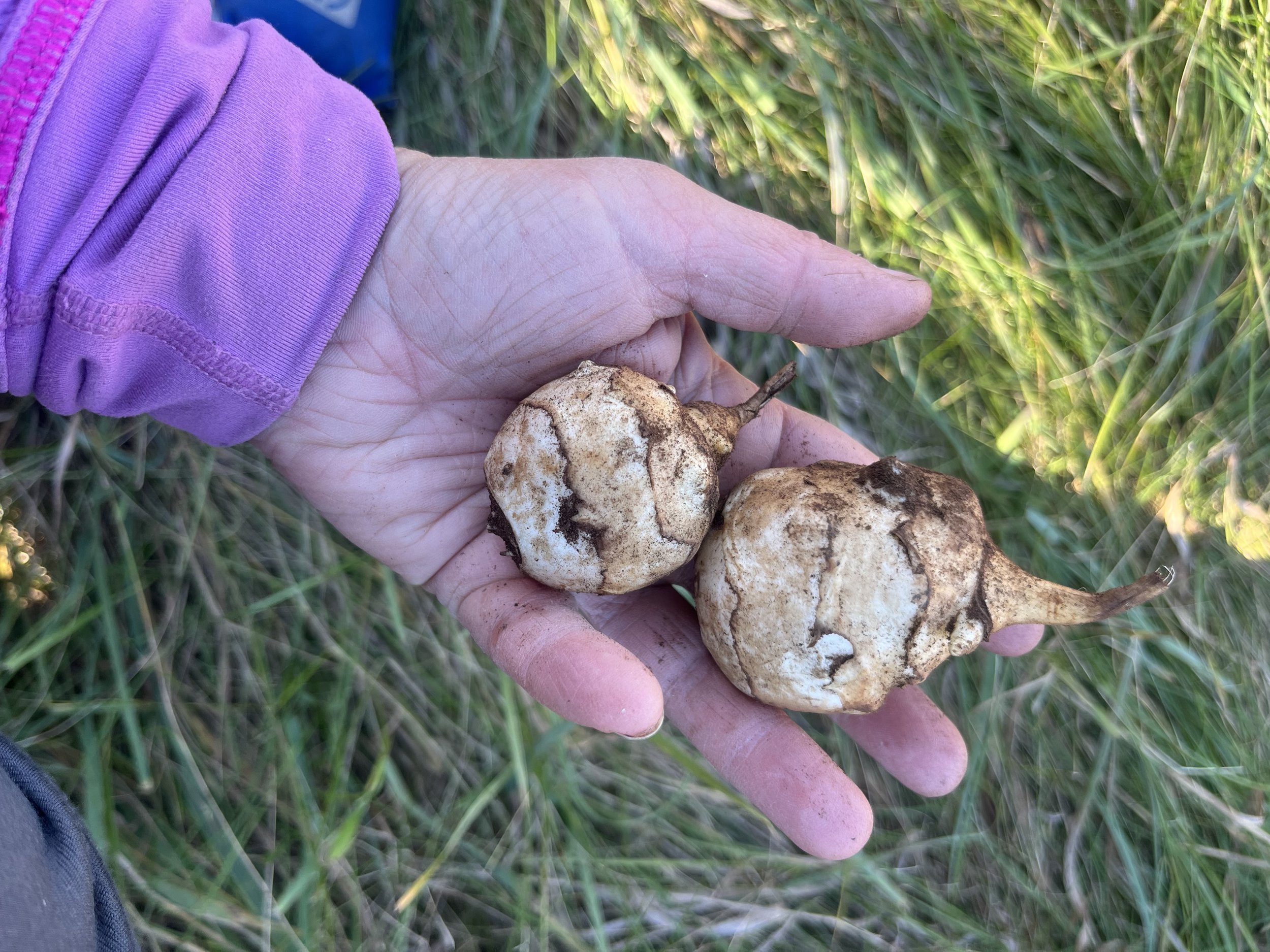
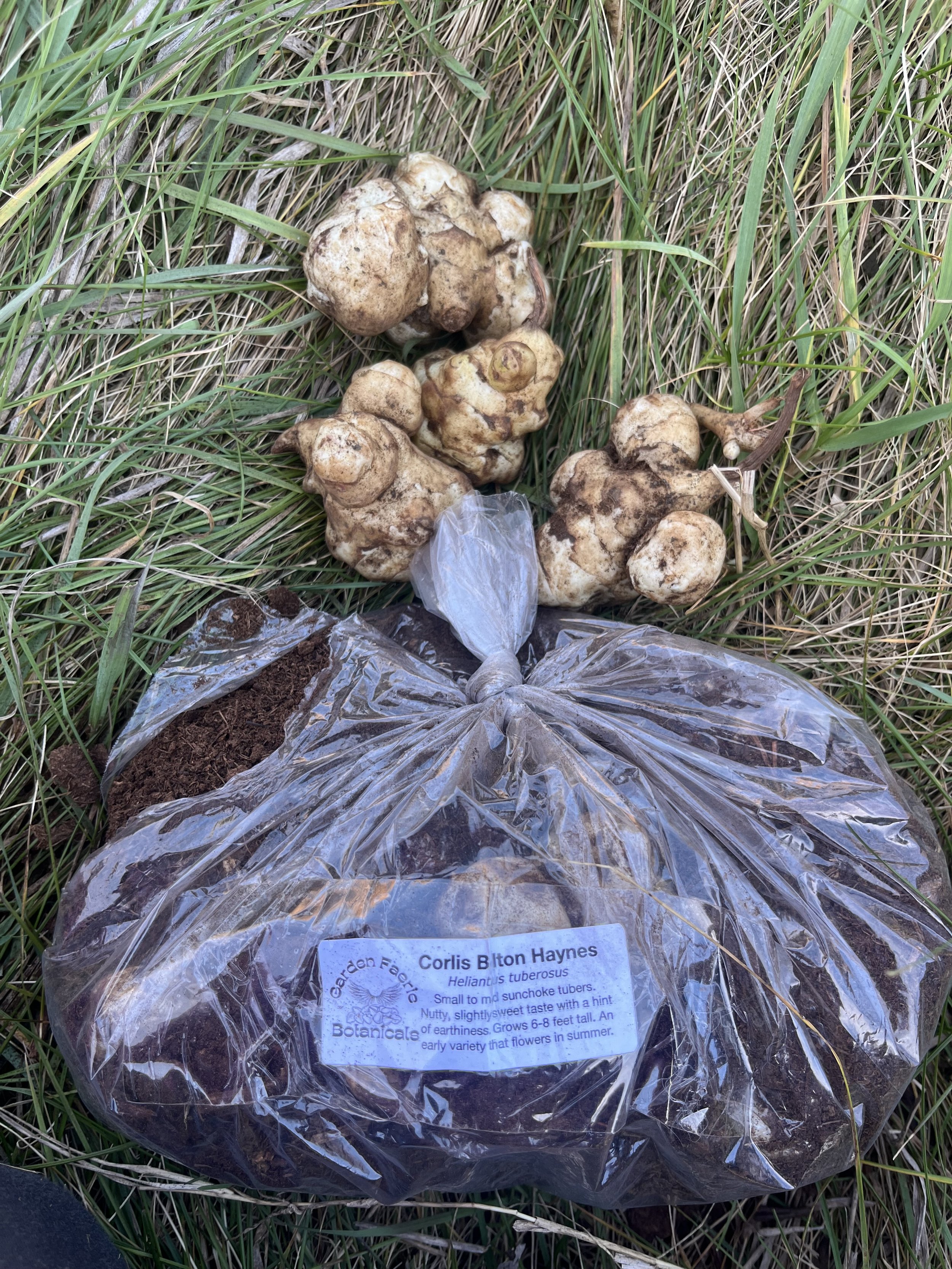
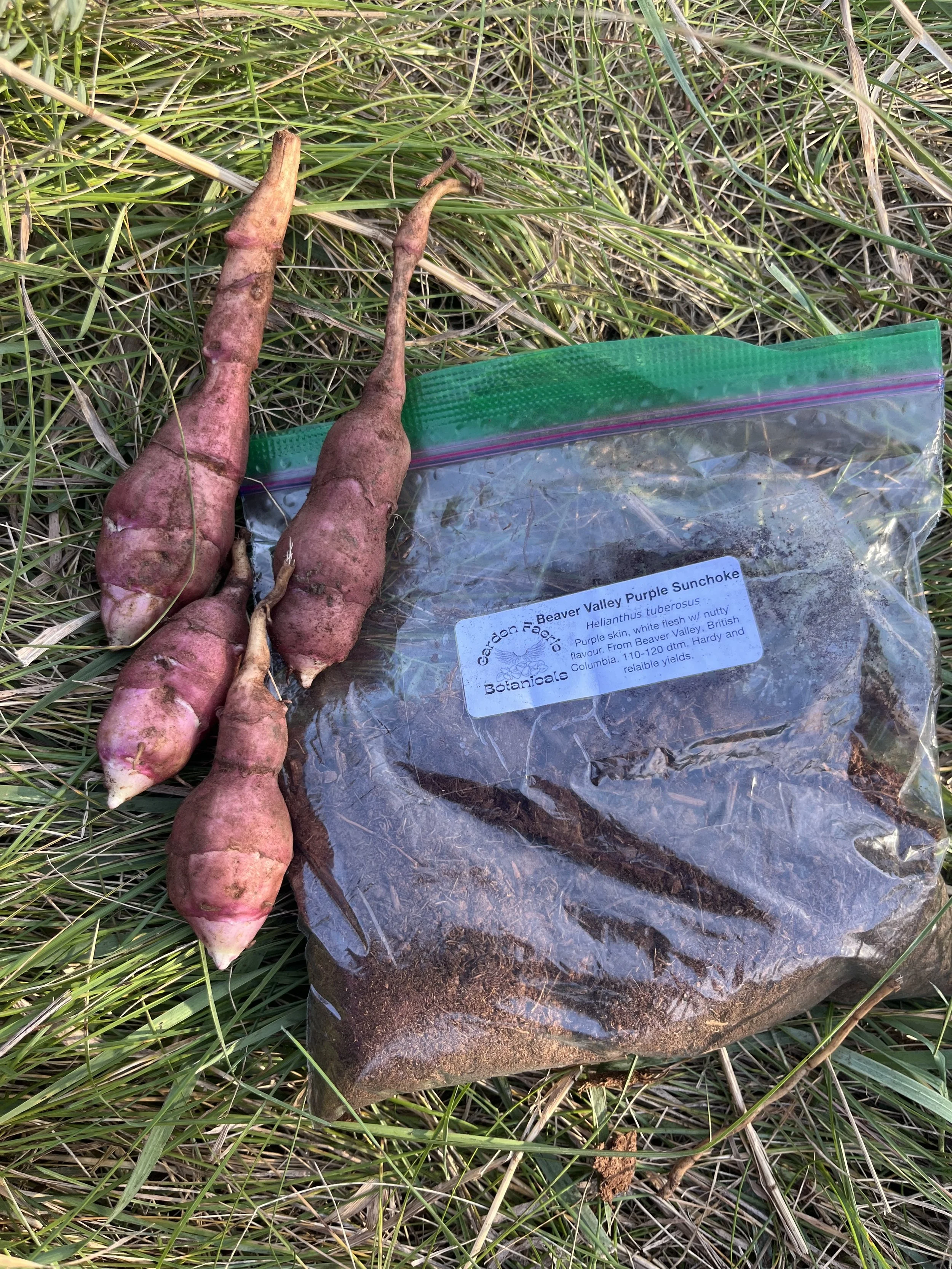
Ultimately, this project brought together ecological restoration, food sovereignty, education, and community building. It demonstrated that climate action can happen at a local level through meaningful, tangible activities: planting trees, growing diverse perennial foods, saving seeds, and sharing knowledge.
My hope is that the trees and food crops planted will continue to nourish the community for years to come, while the knowledge shared through the workshops inspires others to establish food forests, preserve seeds, and reconnect with the land.
I believe that building a better food future begins with small, collective actions. Every tree planted, every seed saved, and every person who learns to grow food represents an investment in a healthier, more inclusive, and more resilient future. This project was one step toward making that future a reality.
Written by Michaela Norgren (@laughing.radish), recipient of the Howl Community Impact Microgrant.