
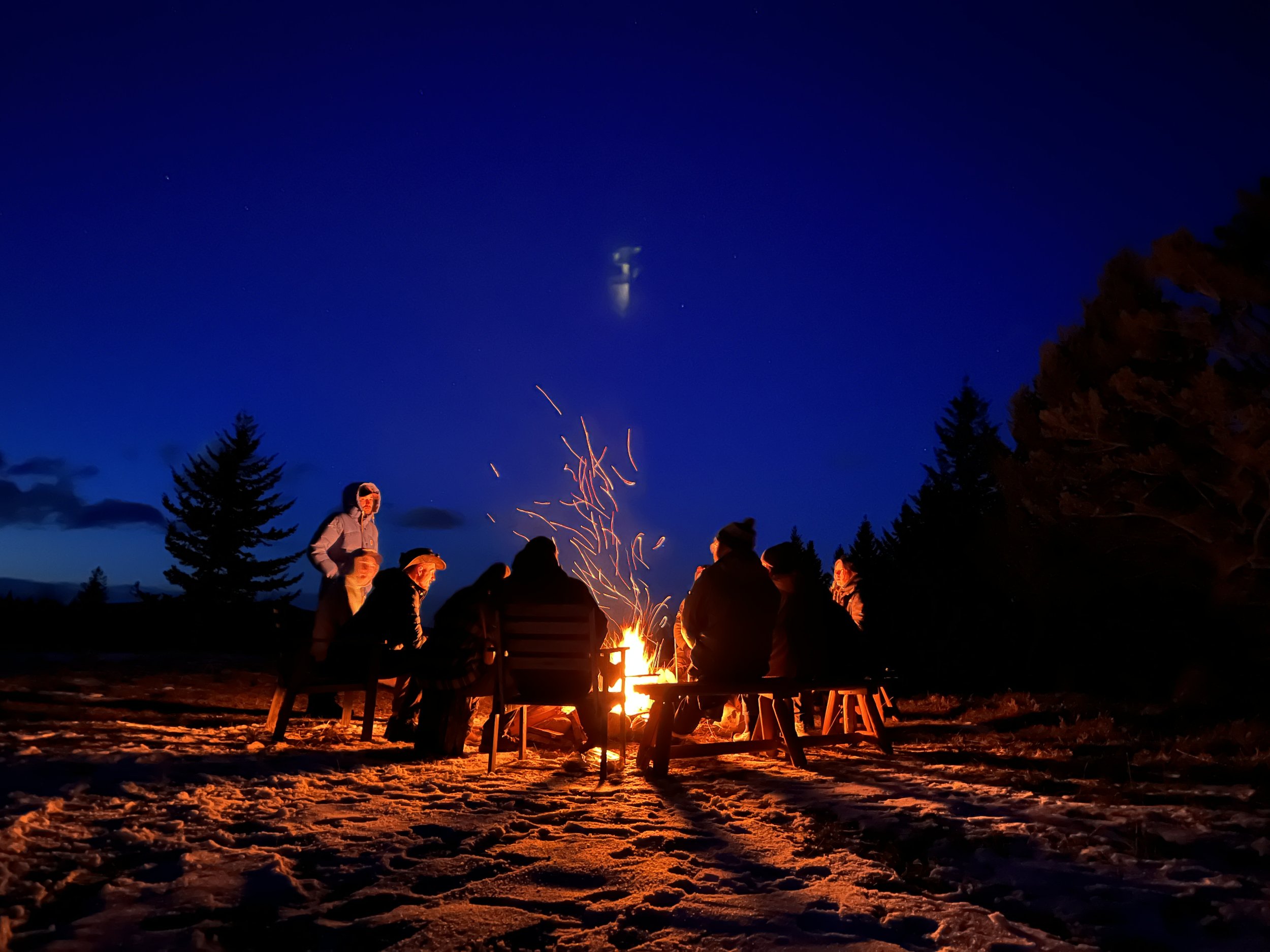
We believe that every person can contribute in a meaningful way to improve the lives of others in their communities.
We offer the type of learning that we think everyone deserves. An education that respects each person’s individuality, culture and the energy that they possess. Howl was inspired by four main issues:
-
Unique experiences with others creates community and a better sense of self.
We believe that not everything can be learned on a computer or through a textbook.
Youth are often expected to choose education and career paths without any real-world experiences to base the decision from. The pressure we place on youth to figure out life by the age of 18 is unreasonable because our traditional education systems do not emphasize experiences as a way to learn.
The pandemic has reduced the experiential part of life – youth are travelling less, participating in fewer events and meeting fewer people. But these trends started before the pandemic – most youth grow up “fenced in” for their safety.
-
Taking on challenges with support from a community creates better results and a sense of hope.
Many youth do not feel a sense of belonging or attachment to a community.
We believe that this sense of community and belonging is a key factor in people’s quality of life and with mental health challenges.
We believe that people are more likely to achieve great things when they are part of a community.
When youth are not supported to find their true purpose or calling, the outcomes can be detrimental to a community. We believe that people best serve their community when they are contributing in a way that they love.
-
We know that the majority of people leaving high school have little understanding of what they want to pursue.
Even out of those who choose a post-secondary program, less than half stay in that program for more than one year (they either drop-out or switch programs).
Why is this?
We attribute this to the lack of exposure and experience that an average youth is given.
We believe that finding one’s purpose or direction means providing youth the opportunity to hear their own voice.
-
The antidote to despair is action. We arrive at hope when we are gaining experiences that give us the confidence to be able to take on other challenges.
Many youth do not feel that the world is heading in a positive direction – ecologically, socially, politically. They do not feel that they can make things work economically and are burdened by student debt and housing affordability issues. We believe that this lack of hope is related to a lack of community and experience.
We believe that by creating a community for youth in which they are free to gain experience and take on challenges, they will build the confidence to take on individual and community challenges that they will face down the road.
From idea to reality
For 15 years in the public education system, Howl co-founder Adam Robb helped to develop programming that allowed youth to grow and learn more than through conventional education. These programs centered around community relationship building and allowed students to develop their own community-based projects as a vehicle for learning.
Students developed their own social enterprise business ideas, ran their own conferences, built their own innovations, installed their own public art pieces, grew their own community gardens, developed their own community relationships and more. This learning was experience-based and many students thrived in that environment.
A few main questions stood out after years of working in the education system:
How were youth finding their way in life after school?
How were youth figuring out how to deal with mental health challenges?
How were youth doing in post-secondary?
How were youth gaining the life-experience needed in order to hear their own voice and know what pathway to take?
Adam took a (permanent) leave of absence from the job he loved and brought these questions to an entire network of incredible educators, community members, past students and colleagues.
From those humble beginnings in a living room in Canmore, AB in November of 2021, some major ideas were formed in terms of how to best create an organization that could support young adults and provide them with the type of experiential learning about big topics like community building, climate change, ReconciliACTION, and personal resilience that they needed in order to move forward more effectively in life. These are the four pillars of learning for all Howl Experiences.
There are actually a few dozen co-founders to Howl, many of whom are featured on our Howl Team page. This idea of an organization that provides transformational community-based experiences for youth is one that is evolving as we speak. Most significantly, the people at Howl realized that not only was this type of service organization needed, they realized that the structure of the organization needed to be a teaching tool itself.
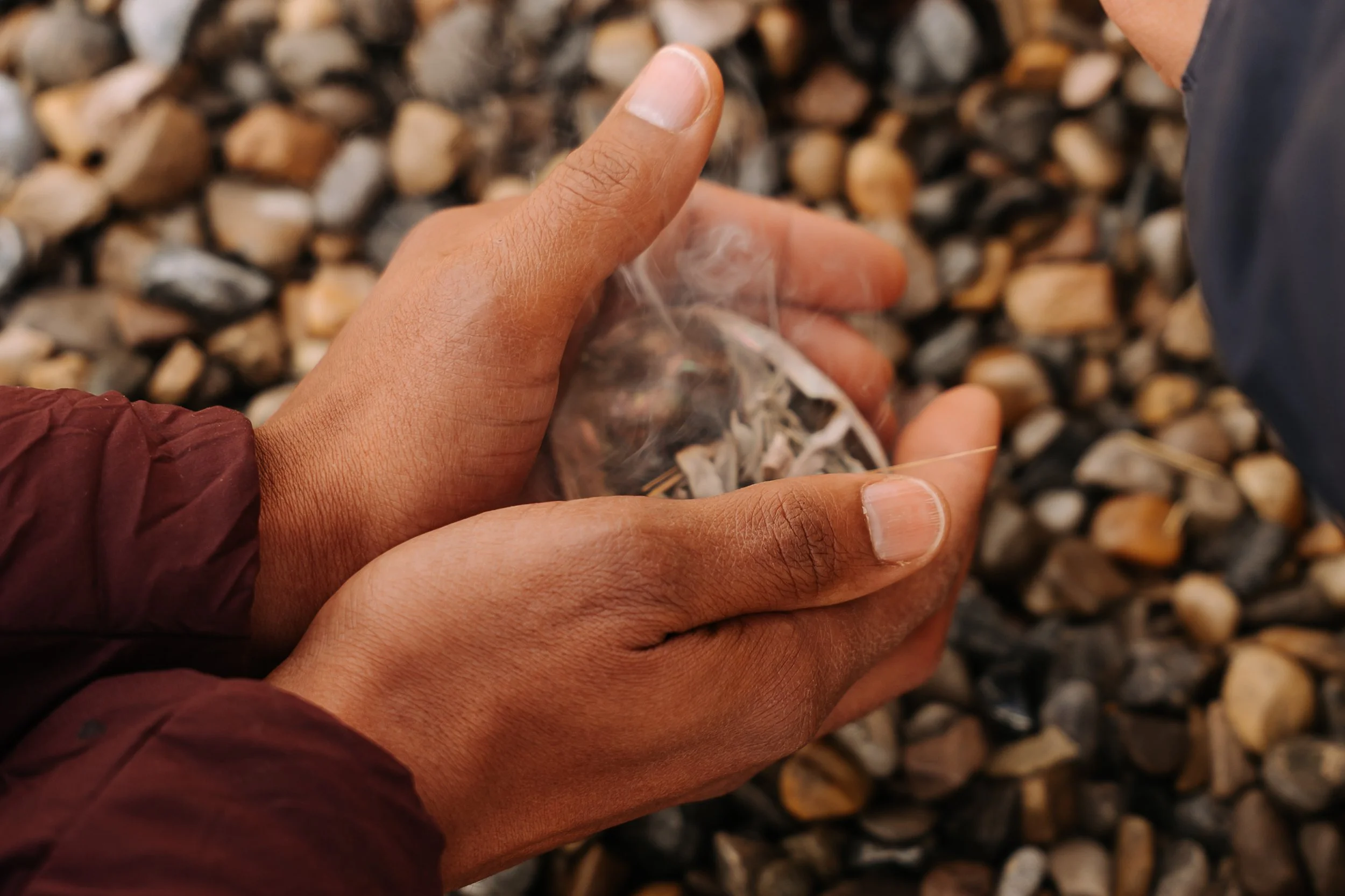
Howl is committed to Reconciliation with Indigenous Peoples.
Howl is committed to being an organization that Indigenous youth, Elders, community members, and service providers feel good working with. In all areas, Howl strives to follow these principles:
Two-Eyed Seeing: Youth see the potential of solutions built on the combined strength of Indigenous knowledges and mainstream knowledges.
All My Relations: Youth learn to build relationships to form better communities. This includes ALL our relations - with everything in the natural world and people from all backgrounds.
Wise Practices: Howl does not have a ‘one-size-fits-all’ approach to programming. Our programs - designed in close collaboration with members of the communities in which we work, are inherently community-specific.
Trauma-informed programming and staff: While Howl does not offer treatment programs and should not be seen as any sort of professional therapy, Howl identifies and removes the barriers that prevent people from learning and being their best selves.
Our leadership structure
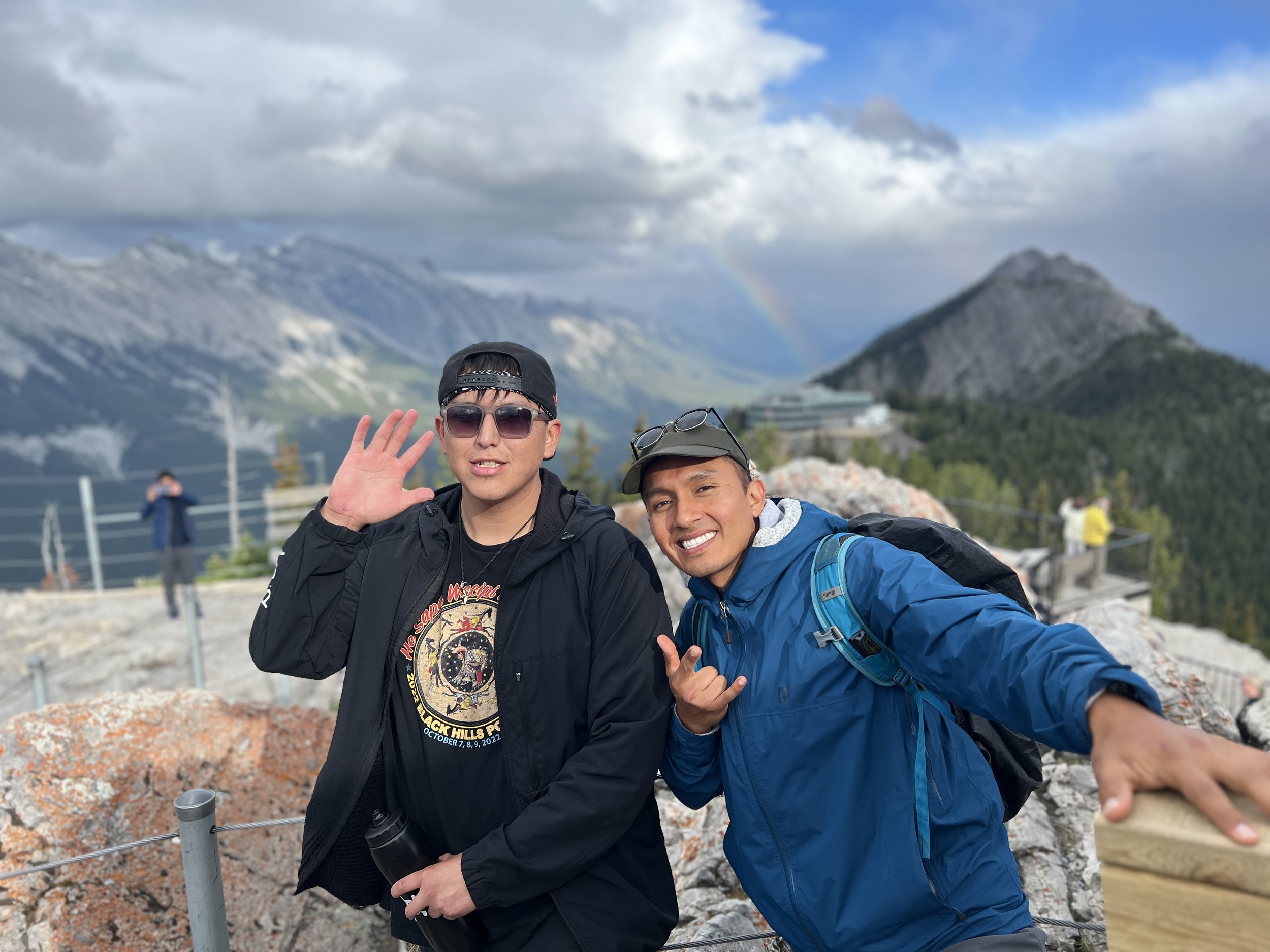
Howl is led by co-founders Adam Robb and Theresa Westhaver. We are in the process of establishing local leaders in each of the communities where we collaborate.
Elders
Howl offers programs in diverse locations and thus, builds relationships and seeks guidance from community members in each area.
Rockies: Since our founding, we have received welcome, guidance and language lessons from Elder Terry Rider and the late Margaret Rider of Stoney Nakoda Nation on Treaty 7 Territory. Youth are often introduced to other Elders throughout each program.
Yukon: Our programs work with Elders, such as James and Barbara Allen of Shakat Tun Wilderness Camp and Harold Johnson and Meta Williams of Long Ago Peoples Place, located in the traditional territory of the Champagne & Aishihik First Nations. Through our Yukon community partnerships, youth are often introduced to other Knowledge Holders throughout each program.
East Coast: Through a new relationship with the Confederacy of Mainland Mi’kmaq, we are working to build reciprocal relationships with local knowledge holders and Elders at this moment, including Elder Dorene Bernard of Sipekne'katik. We are still in the early stages of these relationships.
Board of Directors
Howl’s Board of Directors largely reflects the perspectives and lived experiences of the youth we most hope to serve. This includes youth belonging to BIPOC, gender and ability diverse communities, as well as Howl Alumni who have been personally affected by the programs we offer, and were inspired to give back in the spirit of reciprocity. In the future, we hope to include Elder positions and a Youth Advisory Board, made up entirely of Howl alumni from across the country.
National Youth Advisory Circle
Through the National Youth Advisory Circle, Howl is engaging Indigenous and non-Indigenous youth in Howl’s decision making pressed and leadership. Circle members also assist in the design and delivery of our annual Led by the Land Youth Gathering. Learn more about the Circle here.
Staff
Howl is committed to hiring and retaining both Indigenous and non-Indigenous educators, contractors, and Leaders in Training at each of the locations in which we offer programming. Every participant receives culturally informed support and teaching from both Indigenous and non-Indigenous staff in every program. Learn more about the Howl Team here.
Participants
A majority of Howl participants are Indigenous youth. We believe there is much to gain in terms of Reconciliation by having both Indigenous and non-Indigenous peoples participating in programs together; we are committed to providing safe, accessible, and culturally informed learning spaces that reflect and honour all participants. There may be offerings where all of the participants are Indigenous, and for these programs our staffing will reflect this make-up.
Program Components
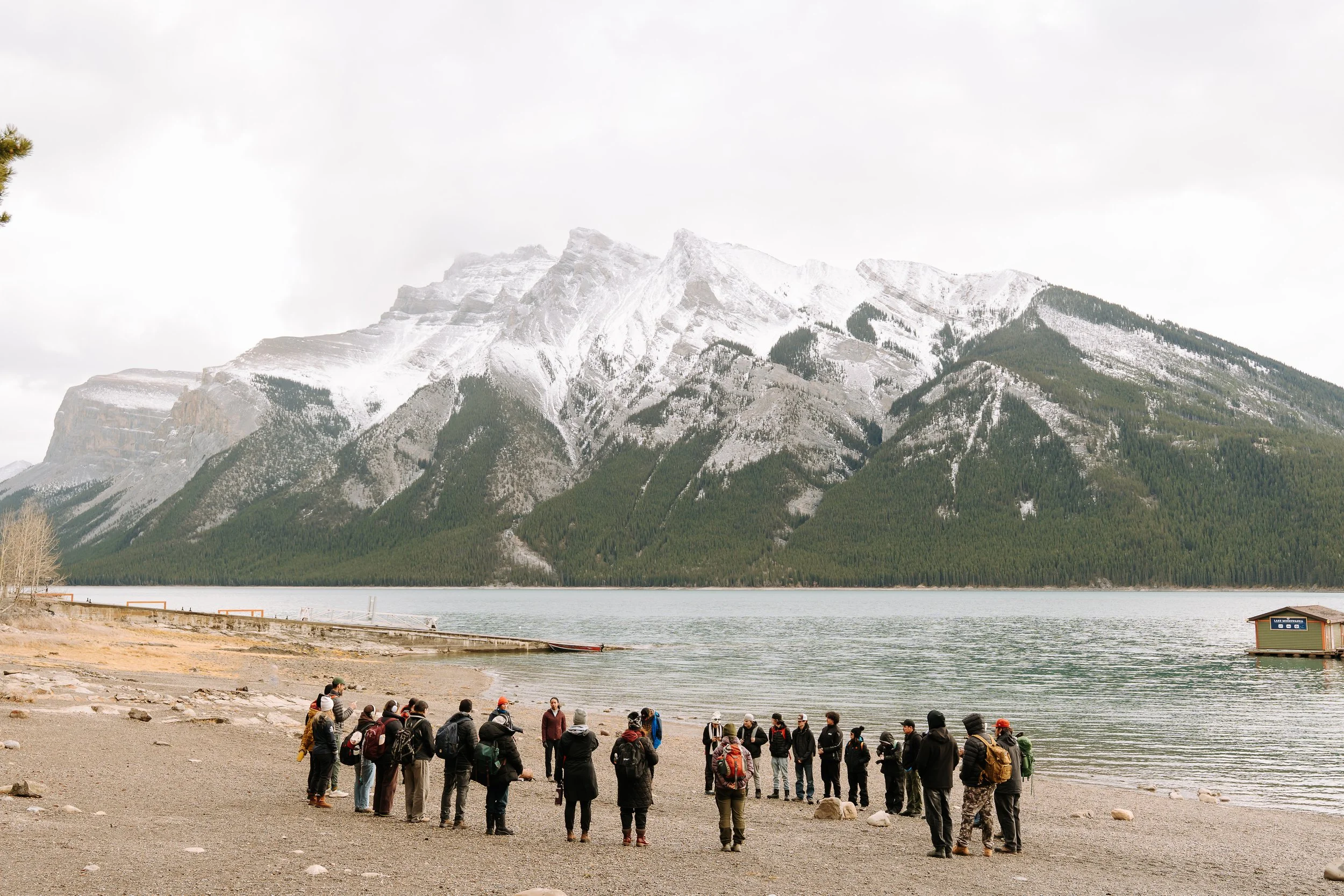
Every program will feature teachings on the land from Traditional Knowledge Keepers of that place. For example, for Rockies programs, our hiking guide is local Îyârhe Nakoda guide, Travis Rider. As we grow, Howl is constantly striving to embody Reconciliation through the structure of our organizations and programs. We acknowledge that this complex and subjective process is ongoing and continuously evolving.