
Rockies Educator Professional Development
Our East Coast programs are based in Nova Scotia. Throughout the program, we will travel through the traditional territories of the Mi’kmaq People.
This 5-day (4-night) program will make the Atlantic Ocean your classroom on this PD experience. Enjoy hands-on learning and discovery along Nova Scotia’s South and Eastern shores. You’ll slow down to understand the world through the lens of diverse coastal communities whose cultures, livelihoods and landscapes are shaped by the sea. Perched at the gateway to the 100 Wild Islands, your home base will be The Deanery Project, a world-class Environmental and Arts Learning Centre, referred to as “a living laboratory” with onsite access to ocean, trails, and a community sound studio. With an approach rooted in the Mi’kmaw concept of Etuaptmumk, or two-eyed seeing, you’ll gain knowledge of the Wabanaki forest and Atlantic coastal ecosystems while building skills in community leadership, Treaty rights, grass-roots climate resilience and sustainable living.
Overview
Dates:
Cost:
Duration:
Start/End Point:
Apr 16-20
$1,700 + GST
5 days
Calgary/
Kananaskis
Program highlights
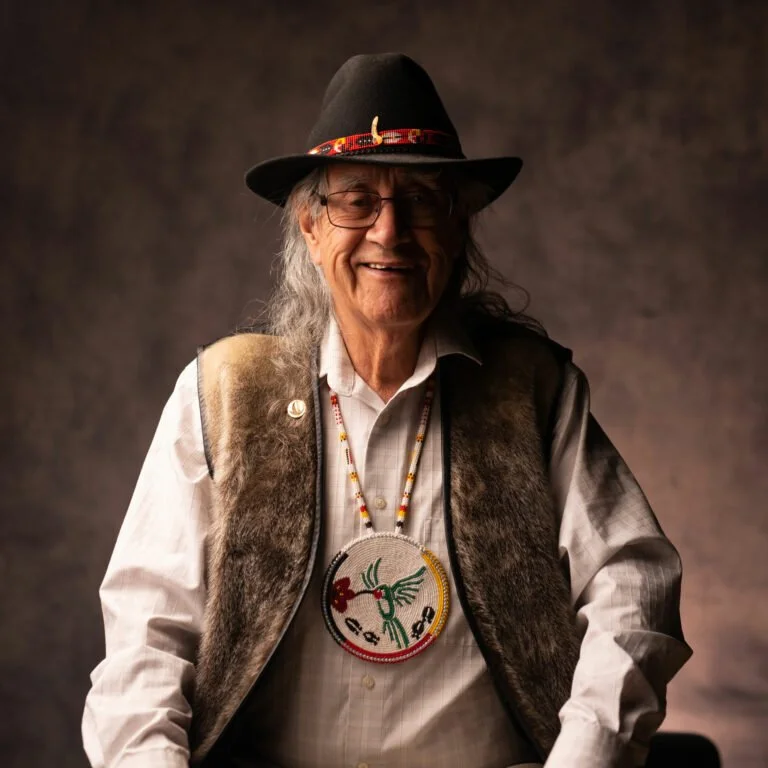
Howl is honoured excited to be welcoming Elder Dr. Albert Marshall onto the first 2 days of this program. Dr. Marshall will be co-leading in depth conversations about the enabling conditions for Etuaptmumk (pronounced eh-doo-ahp-muhmk) – a Mi'kmaw concept meaning "Two-Eyed Seeing."
Program outcomes
Cultural History and ReconciliACTION
Taking an approach that is rooted in relationship, authenticity and storytelling, you'll will develop an understanding of colonialism in Mi’kma’ki (Atlantic Canada). Learn from Elders and Knowledge Holders and engage with community-based reconciliation that is being practiced in real time. Truth, courage, hope, hardship and resiliency are woven into the collective story of this land. Understanding these stories helps us understand ourselves and our country.
Climate Action and Adaptation
Using a Two-Eyed Seeing approach, gain an understanding of sea level rise and climate change trends, seeing first-hand how systems and communities are working together to adapt, discovering optimism in facing the impacts of a rapidly changing world.
Community Connection and Volunteerism
Whether it’s harvesting eel grass from the beach to use as fertilizer for gardens, or helping a wildlife rehabilitation centre prepare their space for new animals, Howl’s community partnerships are alive with reciprocity, reflecting the needs and values of coastal communities who can’t wait to meet you.
Creative Expression and Wellbeing
Through arts based methodology as well as guided personal reflection, gain confidence embracing creative approaches to teaching. Everyone has a creative spark and a story to tell. This program will offer you a dedicated space to strengthen the light they carry.
Frequently asked questions
-
This program costs $1950 + 14% HST per person. Participants are required to arrange and pay for their own transportation to the program start location.
This program fee covers all on-program costs, including meals, accommodation, ground transportation, and on-program activities.
-
Participants are responsible for arranging and paying for their own transportation to and from the program start location. This program begins/ends in Calgary/Kananaskis. If flying, please plan to arrive at the Calcary airport no later than 3:00 PM on April 16 and depart Calgary anytime after 2:00 PM on April 20.
For any participants who are planning on driving themselves, please plan to arrive at the Barrier Lake Field Station on April 16 between 4:00 and 5:00 PM. There will also be a shuttle available for folks from the Crowfoot LRT.
-
The Barrier Lake Field Station provides a stunning location for research, teaching, conference and workshop facilities. It will be our basecamp for this program.
The facilities include a spacious community hall, dorm-style accommodations, indoor and outdoor classrooms, and diverse hiking trails.
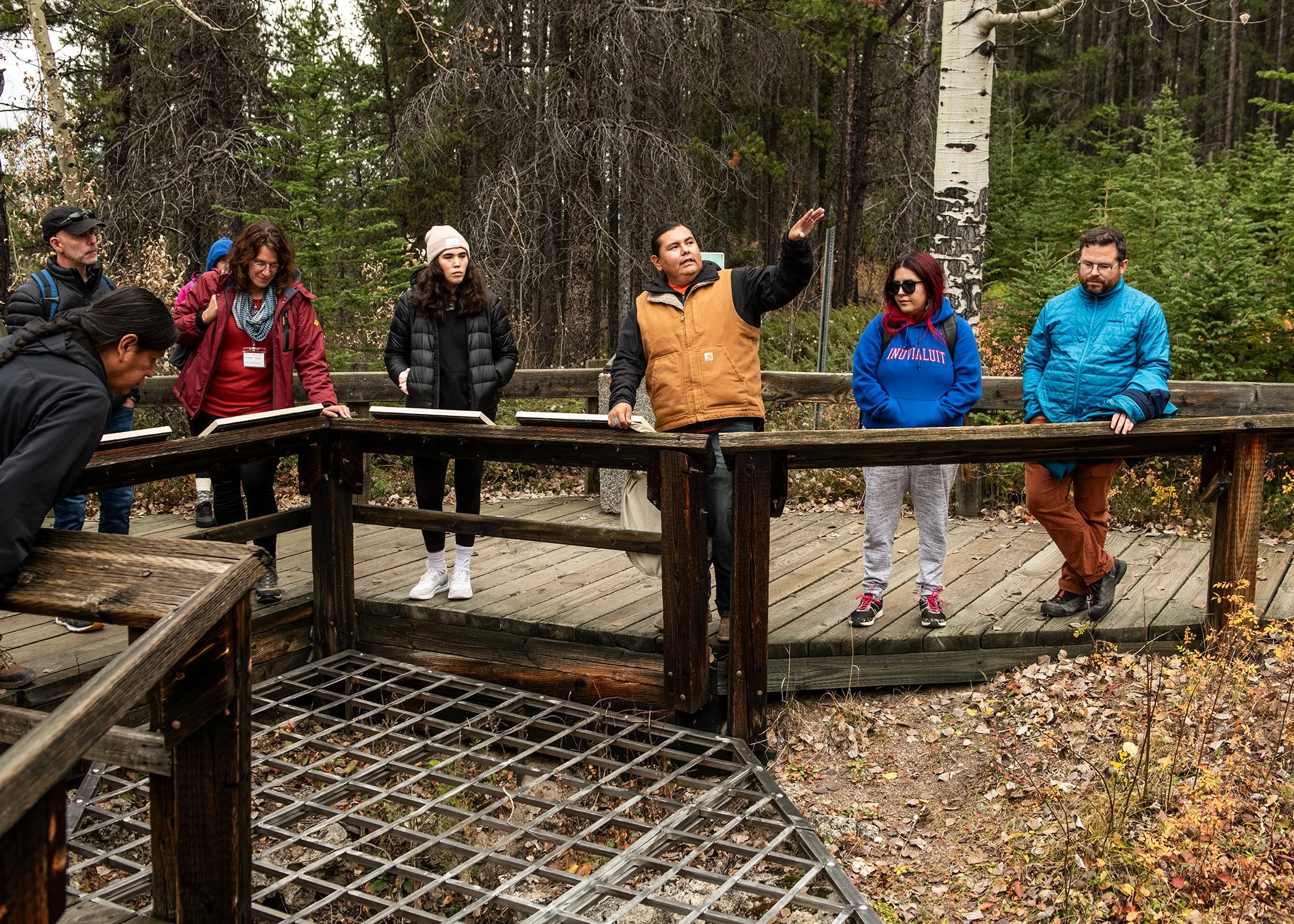
Program team
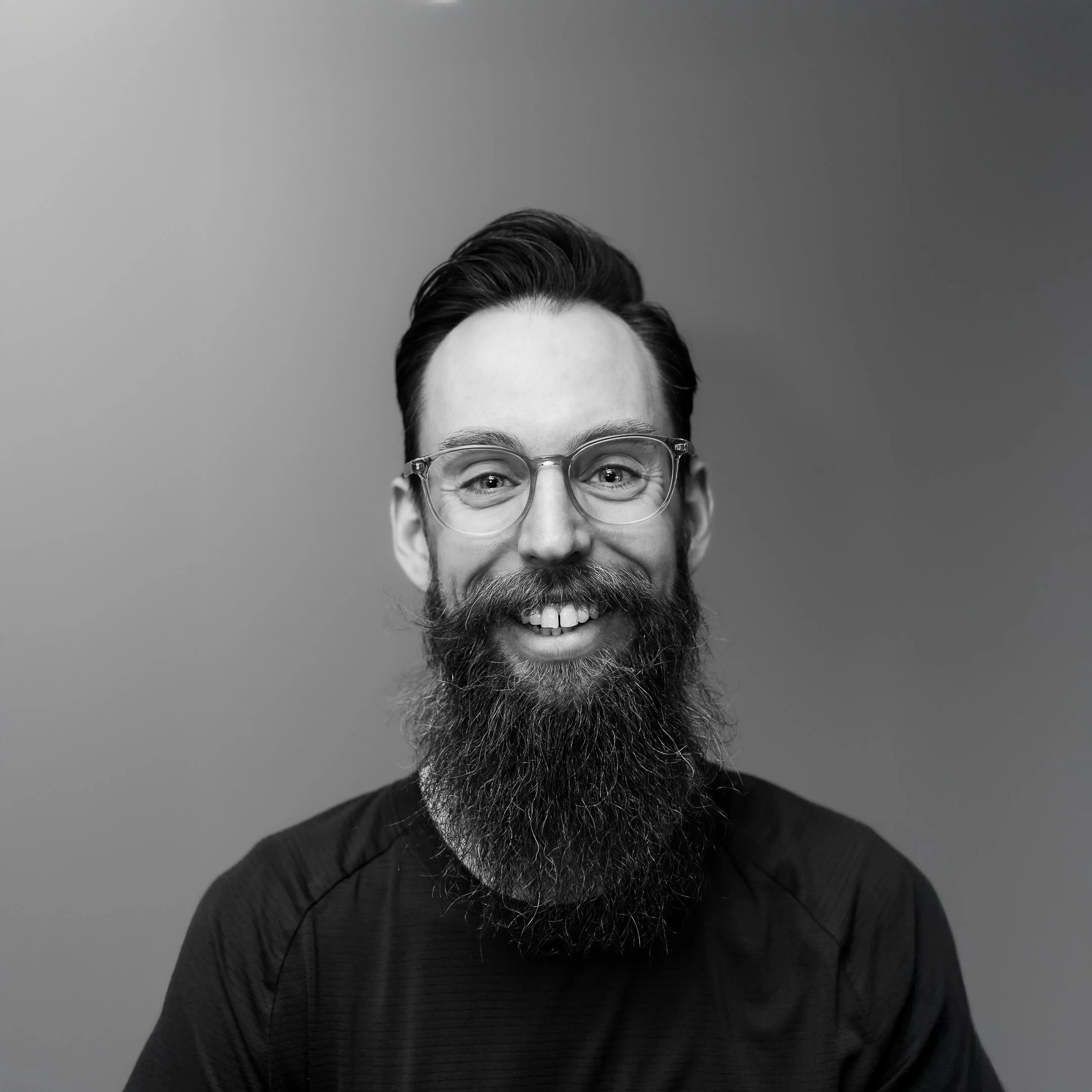
-
Mark joins Howl as the new high school program coordinator making the transition from teaching after over a decade of working in the public education system in Saskatchewan. He grew up in the National Capital Region (Ottawa) on un-ceded Anishinabe Algonquin territory. Mark holds an Honours Bachelor of Arts and Bachelor of Education degrees from the University of Ottawa. As a teacher, Mark saw the tremendous benefits that land-based learning practices and opportunities had on his students and himself. The opportunity to be on the land and learn from Indigenous knowledge holders influenced Mark to seek out more ways to incorporate land-based learning along with Indigenous Ways of Knowing and two-eyed seeing into his professional practice. Mark has long-held a passion for the outdoors and more specifically a strong pull toward the mountains. Mark sees HOWL's high school programs as an opportunity for youth to find connection through land-based learning experiences while navigating their own personal path. Mark enjoys spending time on outdoor adventures with his family, sipping a good cup of coffee, and baking a mean apple crisp. You might also find him running for hours on single-track trails with big climbs and exhilarating descents or in a camp chair by a good fire.
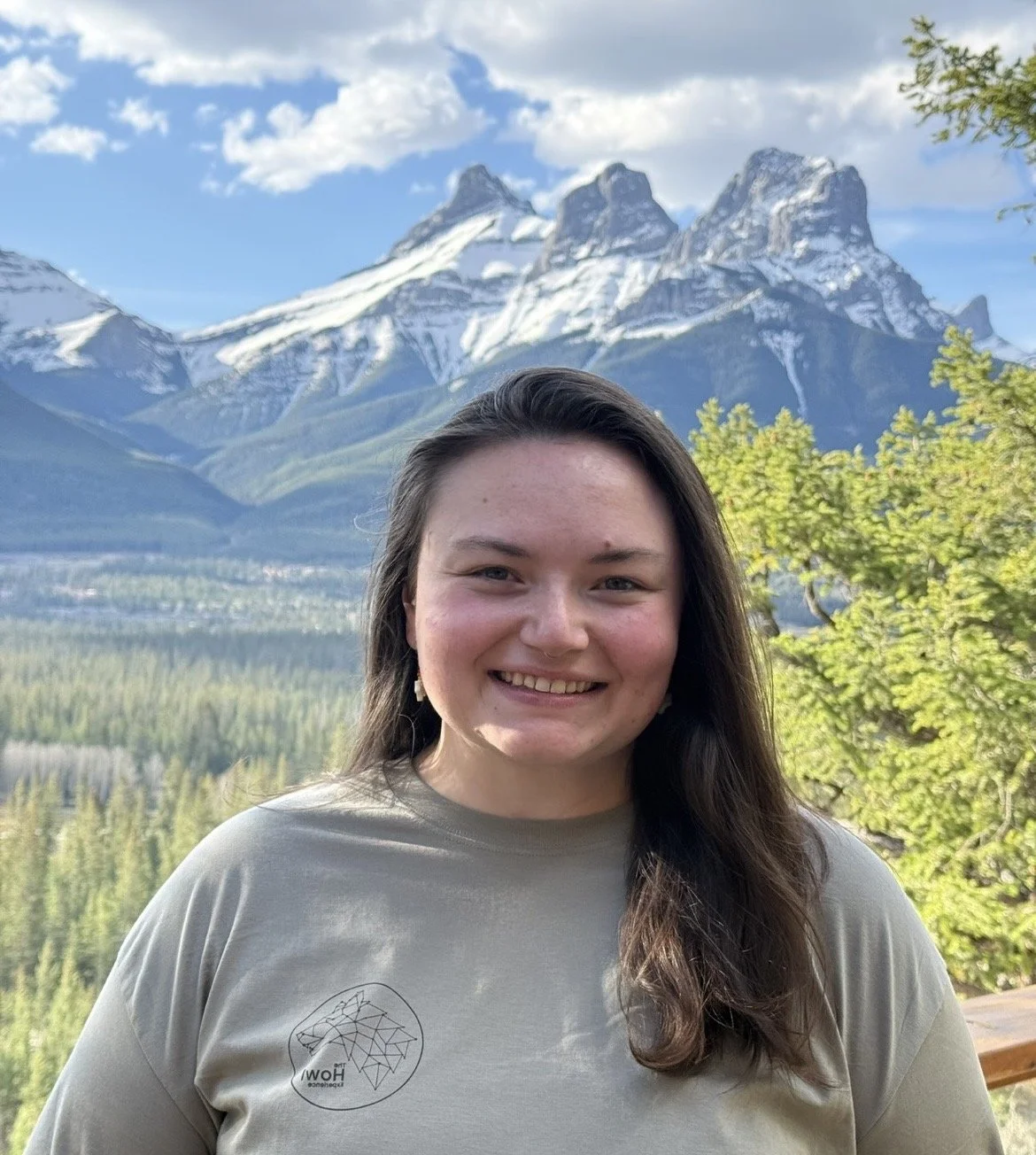
-
Morgan Paul (she/her) is a dedicated Métis educator based in Calgary, Alberta, with deep roots stretching back to her Red River Métis family in Manitoba. With an educator background that spans the K-12 spectrum, Morgan has intentionally spent time in the classroom fostering environments where every student feels a genuine sense of safety and belonging. She is particularly passionate about working alongside youth and creating environments where they feel heard, seen, and valued. Morgan finds immense joy in supporting others' dreams and sharing new perspectives and knowledge that help them navigate their own unique paths.
Driven by a desire to explore alternative learning environments, Morgan recently transitioned from traditional classroom teaching to focus on the healing and growth that occurs when education is rooted in the land and community. She aims to create meaningful opportunities for participants to connect with the outdoors, encouraging them to foster a bond with both their local community and the broader environmental ecosystem.
Guided by foundational values of respect and service, Morgan is currently channeling her energy and enthusiasm into her role with The Howl Experience. Outside of her professional life, Morgan stays grounded through her own creative and physical pursuits. She loves spending her free time creating art pieces through beading and sewing, and showing up for the people in her community. Most days, she can be found getting outside within nature and exploring the world with her new dog, Winnie.
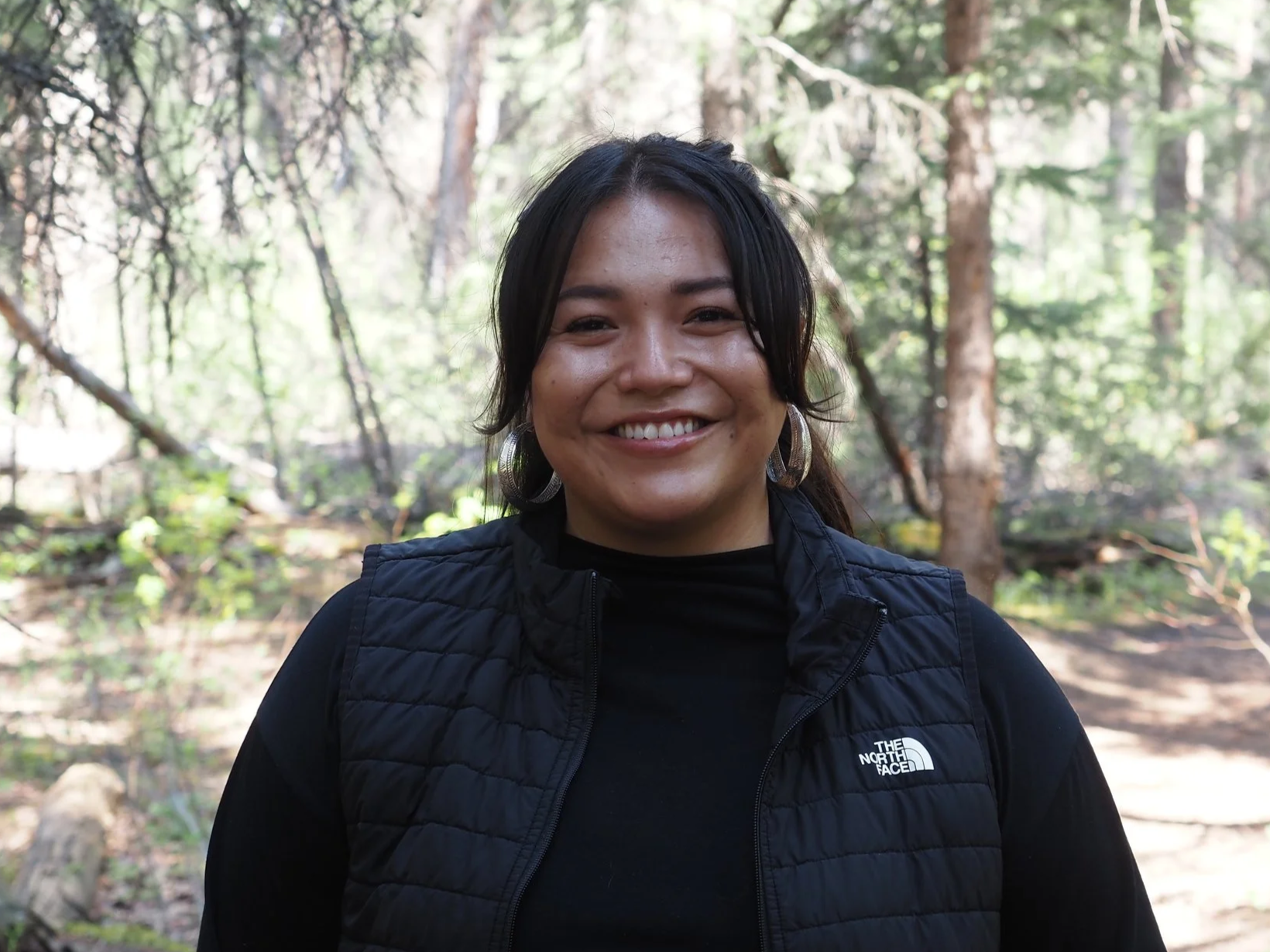
-
Gracie Jackson is the Manager of Indigenous Youth Pathways for The Howl Experience and a proud Indigenous woman with deep roots in the Iyarhe Nakoda Nation of Mini Thni, where she was raised on reserve and remains deeply connected to the land, mountains, culture, and community that shaped her. On her maternal side, Gracie is also connected to the Blackfoot Confederacy through her Kainai (Blood Tribe) family, grounding her identity in strong Indigenous traditions and kinship networks. Family is at the heart of everything Gracie does. As a wife and mother, she also has ties to the Northern Cree community of Whitefish Lake First Nation #128, strengthening her connections across Nations. Growing up on reserve, Gracie witnessed both the impacts of intergenerational trauma and the resilience, strength, and beauty of her people. These lived experiences have shaped her commitment to advocacy, education, and ensuring Indigenous voices are meaningfully included in decision-making processes not as an afterthought, but as leaders, knowledge holders, and partners. From the age of five, Gracie was immersed in the world of horses and competitive rodeo, developing discipline, determination, and a strong connection to the land. Today, she brings extensive experience in facilitation, program coordination, and program design, creating opportunities that empower Indigenous youth to thrive. Gracie is a passionate advocate for Indigenous peoples and is dedicated to supporting the next generation of leaders through cultural awareness, cultural understanding, land stewardship, and community-based learning. She is committed to continuously learning the history of her people and inspiring Indigenous youth to reconnect with culture, identity, and the land. Her leadership and entrepreneurial spirit have been recognized through her studies at the University of British Columbia, where she earned her Indigenous Business Management and received recognition for the Top Capstone Project. Gracie is known for her thoughtful leadership style one that prioritizes listening, observing, and understanding before taking action. Through her work, Gracie continues to be a strong voice for Indigenous youth, helping create pathways that honour culture, strengthen communities, and support future generations in achieving their full potential.