

Howl Community Impact Microgrant Program
Thanks to support from Canada Service Corps, Howl has been providing youth with small, one-time cash payments (“micro-grants”) of up to $5,000 to carry out innovative youth-led community projects. Since 2024, we have supported over 120 youth participants in carrying out these projects.
This is an opportunity for youth to take ownership of an issue, propose a solution and implement change at a local level. This program will conclude in March 2027, with all of the grant funds allocated to youth by fall 2026.
-
Create, promote, and facilitate access to volunteer service opportunities that are meaningful to youth
Give youth the opportunity to gain knowledge, skills, tools, and supports they need to successfully complete their projects
Support youth in designing and implementing youth-led projects that address a community need
-
Mobilize youth in your community to support a shoreline cleanup project
Host a community movie night and panel discussion at a local arts centre that promotes BIPOC representation in the outdoor industry
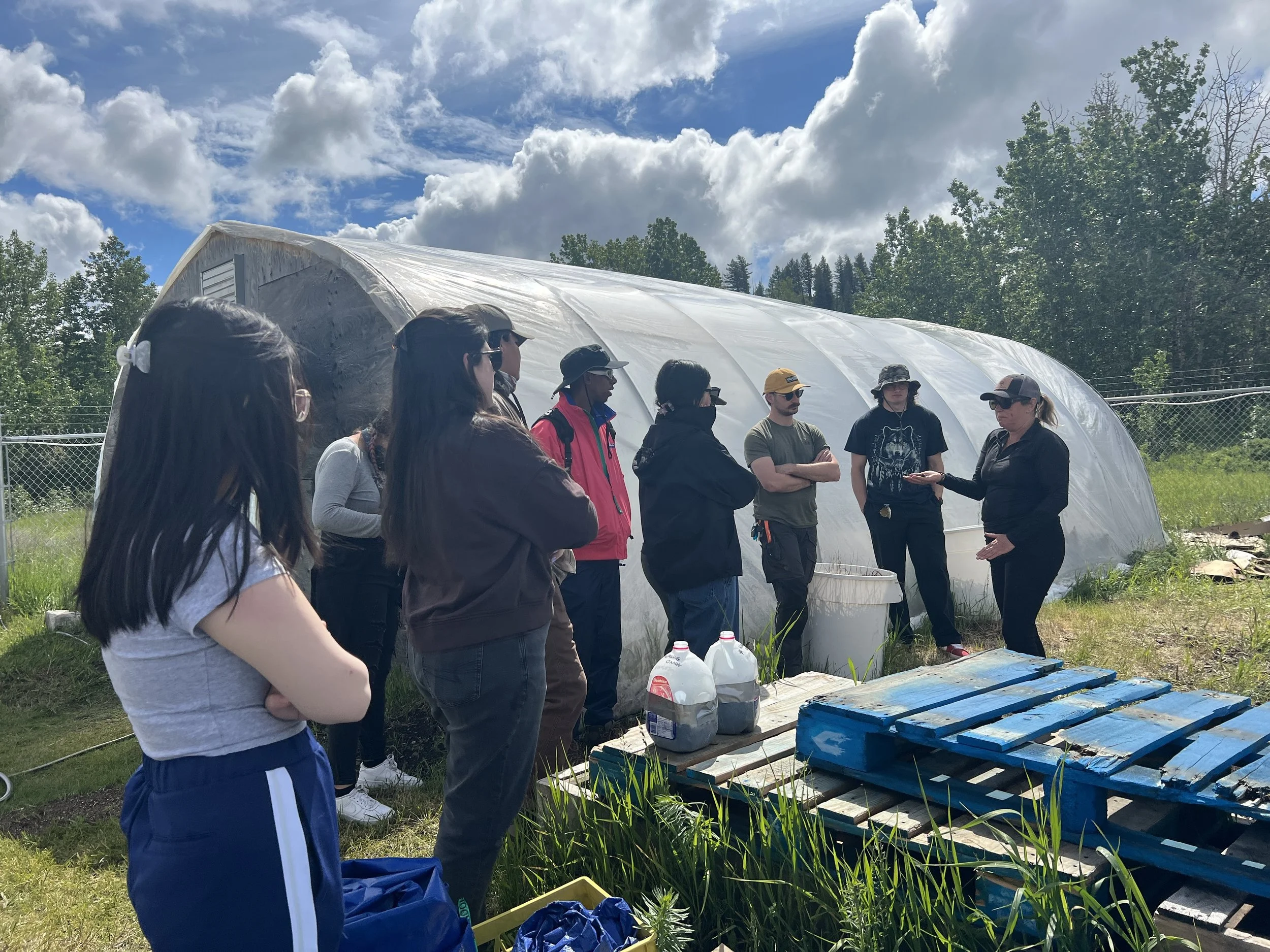
Plant a community medicine garden with support from local Elders and youth

Eligibility criteria
In order to participate in the Howl Community Impact Microgrant Program, projects must meet the following criteria:
Project leader is between the ages of 15 and 30 as of the project start date.
Take place in Canada
Include volunteer/service-learning opportunities for youth
Be focussed on one or more of the following areas:
Reconciliation
Building an inclusive Canada
Preserving the environment
Promoting civic and democratic engagement
Strengthening youth resilience
Potential new themes that are youth-identified
Provide a budget of how the micro-grant funding will be used
Complete the project within 5 months, including reporting and evaluation
If you are applying on behalf of an organization or class, the applicant must meet the criteria listed above. The applicant must take an active part in project leadership, including project design, activities, orientation and project evaluation. Please note that funds will be disbursed directly to the applicant and not the organization or teacher.
-
Advertising
Conference attendance fees
Equipment lease, rental, purchase
Hospitality
Materials and office supplies
Membership fees, business licenses and permits
Professional fees related to program activities
Signage
Significant project costs:
Contracting if contracted specifically to support the project
Internet, web design
Postage fees
Printing fees
Professional development for staff
Staff, consultant, and volunteer travel
Disability supports
Dependent care
-
Program participants are not eligible to receive honoraria or payment as part of the micro-grant budget
Costs associated with fundraising activities
Parking tickets
Entertainment costs
Completion bonuses
Alcohol
Personal home Internet and/or cell service costs
Stipends to participants
Gift cards for recognition
Eligible activities
Projects that are eligible for this micro-grant funding should fit one or more of the following criteria:
Activities that support the development (incubation) of promising youth volunteer service ideas;
Activities that support the implementation of youth led strategies or actions to address community issues;
Activities that support the implementation of innovative methods of reaching Indigenous youth, under-served youth, or both;
Activities that offer support for youth in the identification and validation of issues and priorities for community action;
Activities that explore, test and/or develop innovative solutions, best practices, tools and/or methodologies (for example, toolkits, resources, etc.);
Activities designed to support access and participation in service opportunities for youth;
Activities designed to support innovative approaches to facilitate youth participation in civic life;
Activities designed to support knowledge development and research on engaging youth in service;
Activities designed to test projects to engage youth in service;
Activities that support the dissemination of information and knowledge.
If you have an idea for a project but are unsure if it meets these criteria, we encourage you to attend one of our upcoming virtual information sessions (see dates below). For more project ideas, click the dropdown button below.
-
Community garden contributions
Conference about local topic hosted by youth
Cleanups (e.g., shore, park, etc.)
Delivery of education program or workshop(s)
User surveys (e.g., trails, recreation areas)
Community forest initiative
Parks Canada volunteer opportunities
Documentary or music video involving others
Community meal
Community celebration or commemoration
Upcycling workshop
Trail building
Introduction to the outdoors, promoting accessibility in the outdoors
Community harvest to distribute food to others
Community art project or mural
Building project for classroom
Supporting National Indigenous Peoples Day
Citizen science data collecting
Tree or native species planting day
Cultural sharing pop-up event
Partners
The Howl Community Impact Microgrant Program is funded by Canada Service Corps, a national movement that empowers youth aged 12–30 to gain experience and build important skills while giving back to their community. Learn more at Canada.ca/CanadaServiceCorps.
