Harvesting Spirit: Rockies Exploration
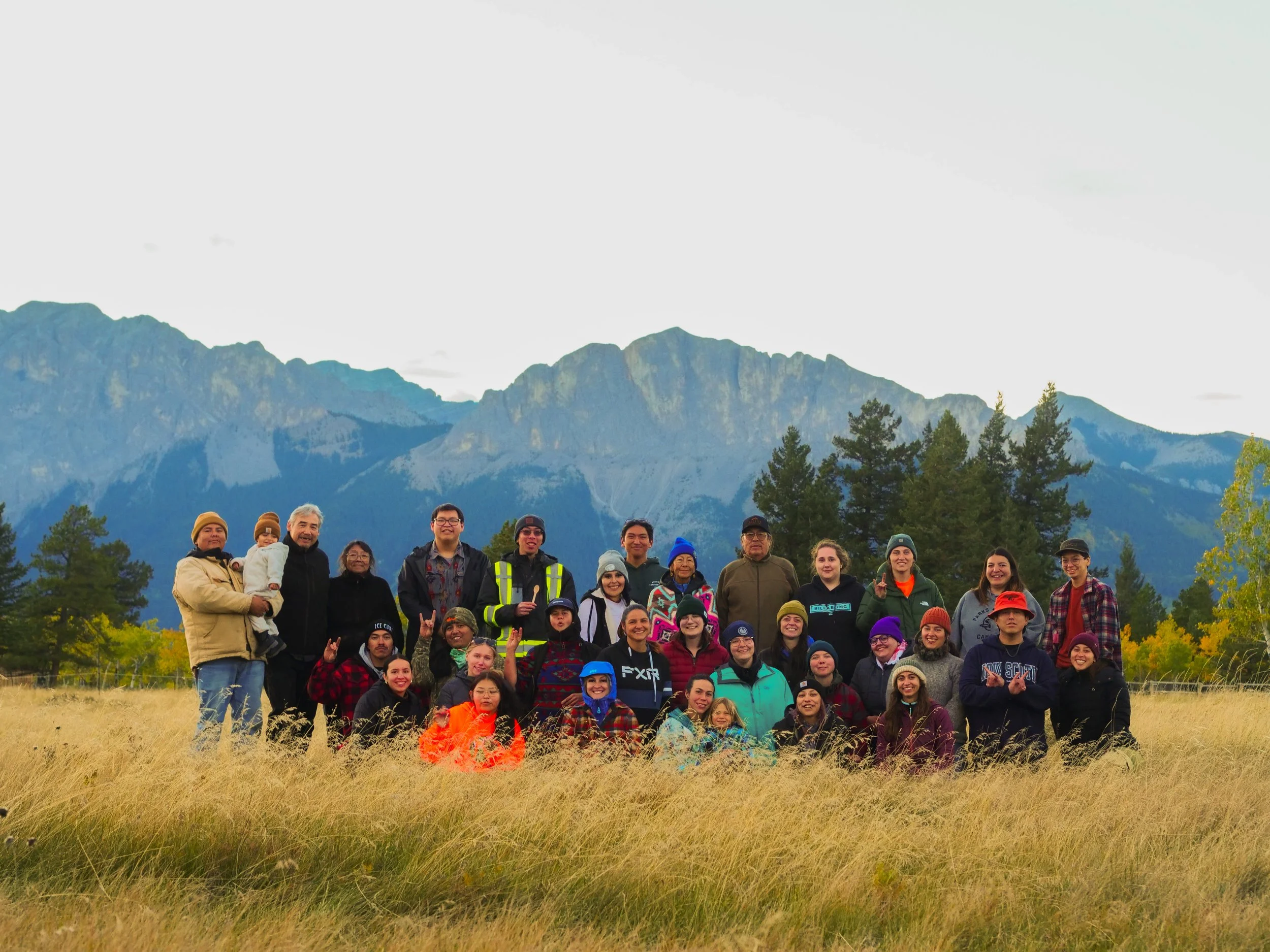
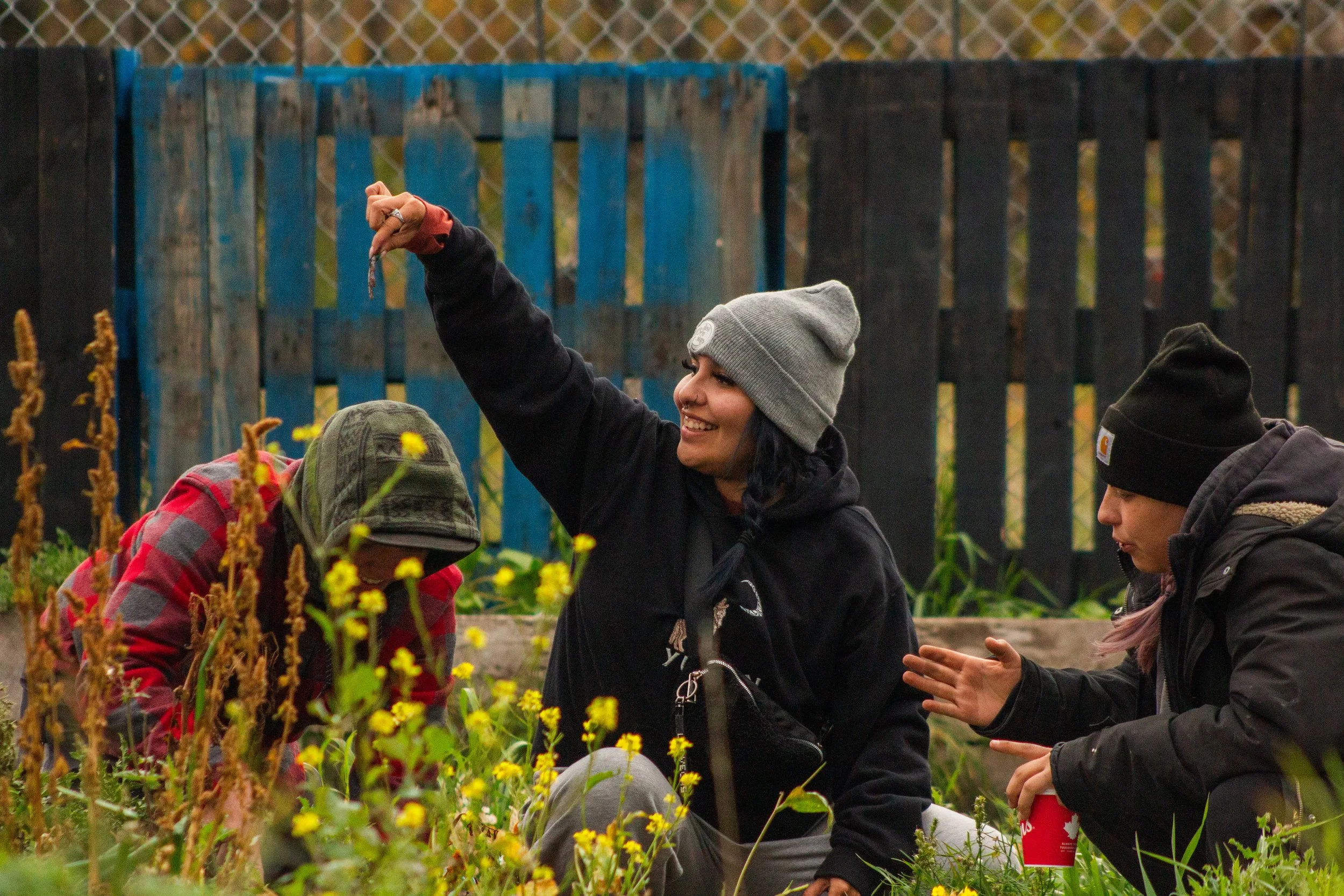
The Howl Experience is pleased to provide a 6-day “Harvesting Spirit” Exploration program for Indigenous and non-Indigenous youth, ages 17-35. Harvesting Spirit is an Indigenous food sovereignty youth program where participants will learn Stoney Nakoda values, beliefs, traditional and contemporary food processes and practices. This opportunity will use both Indigenous and Western Knowledge Systems to deepen youth’s understanding and participation in Indigenous food sovereignty issues and practices. Through a relationship-based and primarily land-based learning approach, participants will learn firsthand from Stoney Nakoda community Elders, leaders and Knowledge Keepers on their perspectives of sustainability and resilience from the front lines of reconciliation, climate change, and community identity restoration, preservation and protection.
Overview
Date:
Cost:
Ages:
Duration:
Start/End Point:
Sep 27-Oct 2
$400-$1500
17-35
6 days
Calgary/
Kananaskis
Program highlights
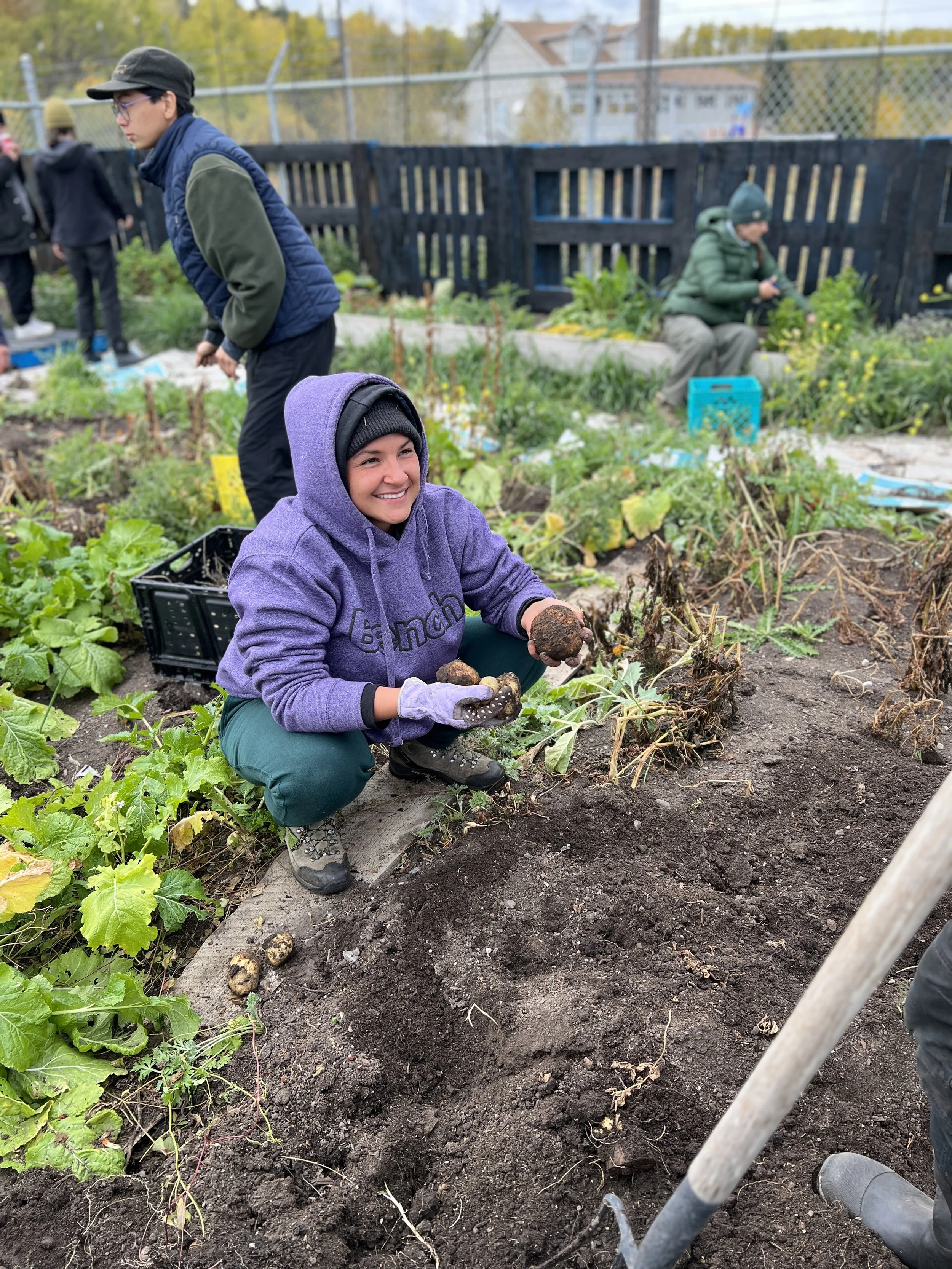
The Harvesting Spirit Exploration Program empowers Indigenous and non-Indigenous youth to become leaders in reconciliation, climate action, community building, and Indigenous food sovereignty. Through hands-on projects, cultural learning, community engagement, and leadership development, participants build meaningful relationships, and gain practical skills in research, communication, conflict resolution and workshop facilitation. By participating in Indigenous food sovereignty initiatives, youth increase their awareness of food systems, environmental stewardship, and community wellbeing while developing the confidence and capacity to lead positive change in their communities.
Program includes:
Indigenous land-based learning with Indigenous Howl Experience staff members, contractors, Elders, and other Stoney Nakoda community partners
Hands on learning with wild game, fruits & vegetation
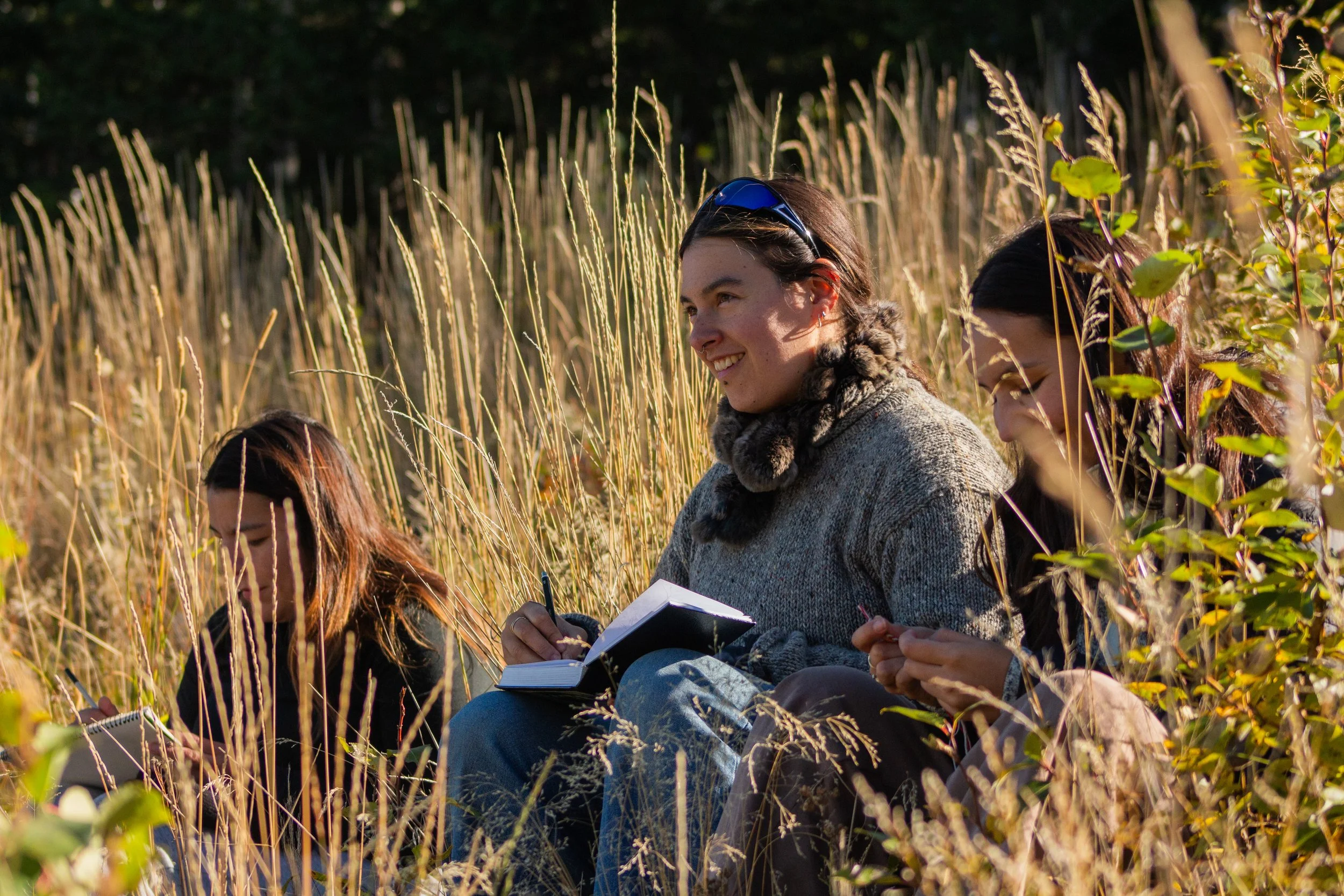
Connection with the land through outdoor camping
Traditional and contemporary food sovereignty workshops
Interactive group activities & reflections
Frequently asked questions
-
Valued at over $2,500 per participant, this Howl program is priced on a sliding scale for participants aged 17 to 35, based on self-declared financial need and access to resources. Organizations, businesses and communities are also invited to sponsor participants at a set fee.
$400-$1,500 | Applicants will be guided through a sliding-scale fee selection process to determine a tuition fee within the above range that feels right and equitable to them.
$1,000 | Charities, non-profits and community groups
$1,500 | Employers, schools and individuals receiving financial support
Thanks to the support of the Banff Canmore Foundation and the Town of Canmore, we can subsidize the program fee for 8 Bow Valley youth to attend. We encourage local youth and organizations with youth employees to apply!
Once you've applied, we will follow up with more information on our fee structure as well as a few questions about your financial situation and the support you may need. Even if cost is a barrier, we strongly encourage you to apply!
Price includes accommodation, meals, ground transportation and all activities while on the program.
This program offers guidance, education, coaching and support 24 hours/day for the duration of the program. Participants are responsible for their own travel arrangements to Calgary. Upon acceptance into the program, a $250 non-refundable deposit is required to secure your spot.
-
Participants are responsible for arranging and paying for their own transportation to and from the program start location. This program begins/ends in Calgary/Kananaskis.
Please plan to arrive at the Calgary airport on September 27 by 3:00 PM and depart Calgary on October 2 anytime after 12:00 PM (noon). We have arranged for a shuttle to pick folks up from the airport and drive them to Kananaskis (where we will be staying for the duration of the program).
We will offer an additional meeting place in Calgary at the Crowfoot LRT Station. Alternatively if you plan on driving yourself to the program, you can meet us at YMCA Camp Chief Hector between 4:00 and 5:00 PM.
-
A $250 non-refundable deposit is required at the time of acceptance into the program to secure your spot. Please ensure that you review our Cancellation Policy for this program before submitting your application form.
-
You can review the packing list for the program by clicking here.
Program team
-
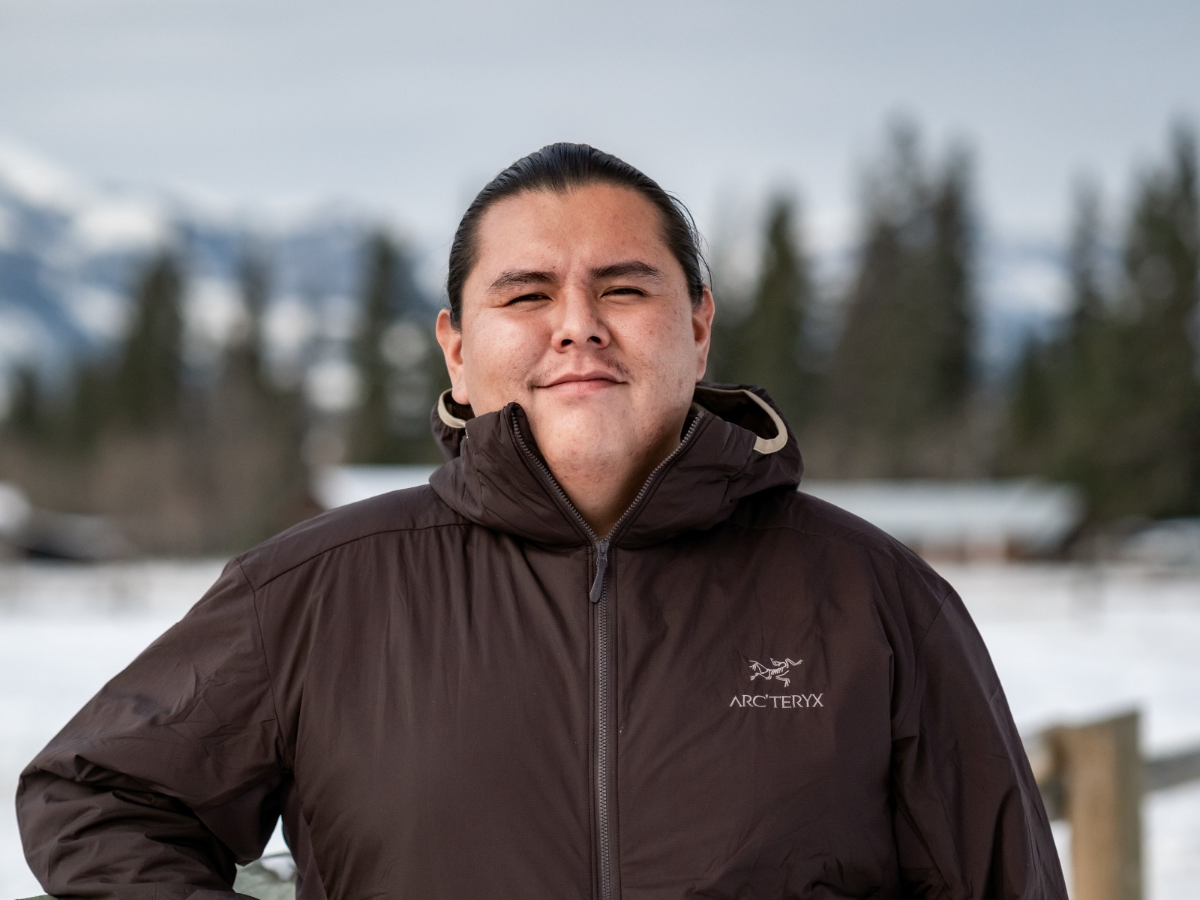
Daryl Kootenay (he/him) is the Executive Indigenous Advisor of Howl. He is a Traditional singer, dancer, artist, speaker, youth leader, and film maker. He is from the Stoney Nakoda Nation of Treaty 7 Territory in southern Alberta and a member of the Dine (Navajo) Nation in New Mexico from his father’s Heritage.
Daryl has travelled globally to volunteer in countries such as Peru, Nicaragua and throughout Africa working with Canada World Youth (CWY) first as a participant, then an intern and employee. In 2022 Daryl led a fourth delegation of youth from his nation and CWY at the United Nations World Conference of Indigenous Peoples and the Permanent Forum on Indigenous Rights. He attended the Young Global Diplomat Forum in London England in 2019.
He now dedicates much of this time to working locally with Stoney Nakoda youth and youth throughout the Bow Valley. He is a teacher of traditional art and dance, the co-founder of the Stoney Nakoda Youth Council, group leader for the Project Nakoda Outdoor Wilderness Experience (NOWE), and co-convener of the Mni Ki Wakan: World Indigenous Decade of Water Summit. Daryl’s particular area of focus and expertise is in relationship with Truth and Reconciliation in the Bow Valley.
-
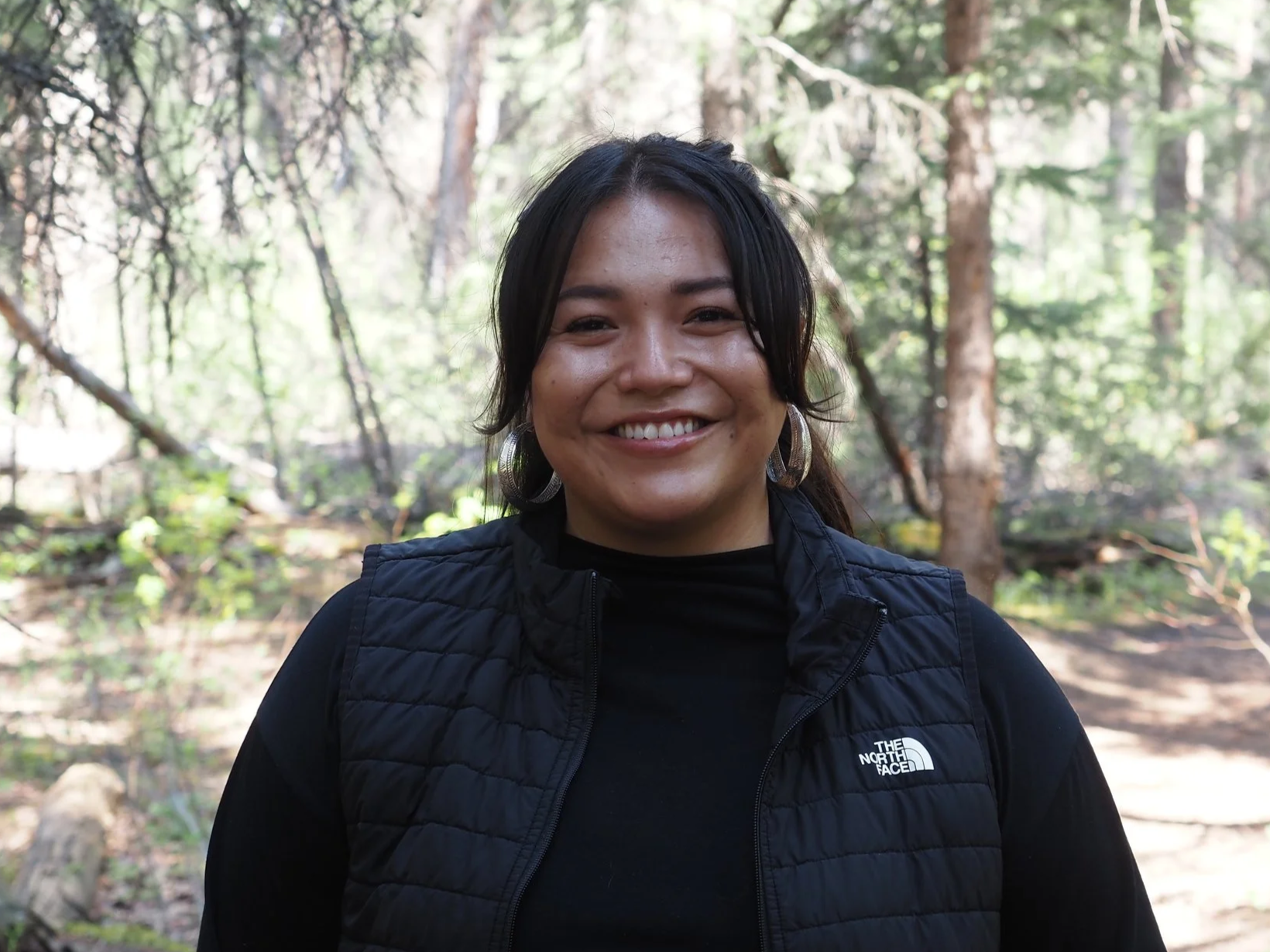
Gracie Jackson is the Manager of Indigenous Youth Pathways for The Howl Experience and a proud Indigenous woman with deep roots in the Iyarhe Nakoda Nation of Mini Thni, where she was raised on reserve and remains deeply connected to the land, mountains, culture, and community that shaped her. On her maternal side, Gracie is also connected to the Blackfoot Confederacy through her Kainai (Blood Tribe) family, grounding her identity in strong Indigenous traditions and kinship networks. Family is at the heart of everything Gracie does. As a wife and mother, she also has ties to the Northern Cree community of Whitefish Lake First Nation #128, strengthening her connections across Nations. Growing up on reserve, Gracie witnessed both the impacts of intergenerational trauma and the resilience, strength, and beauty of her people. These lived experiences have shaped her commitment to advocacy, education, and ensuring Indigenous voices are meaningfully included in decision-making processes not as an afterthought, but as leaders, knowledge holders, and partners. From the age of five, Gracie was immersed in the world of horses and competitive rodeo, developing discipline, determination, and a strong connection to the land. Today, she brings extensive experience in facilitation, program coordination, and program design, creating opportunities that empower Indigenous youth to thrive. Gracie is a passionate advocate for Indigenous peoples and is dedicated to supporting the next generation of leaders through cultural awareness, cultural understanding, land stewardship, and community-based learning. She is committed to continuously learning the history of her people and inspiring Indigenous youth to reconnect with culture, identity, and the land. Her leadership and entrepreneurial spirit have been recognized through her studies at the University of British Columbia, where she earned her Indigenous Business Management and received recognition for the Top Capstone Project. Gracie is known for her thoughtful leadership style one that prioritizes listening, observing, and understanding before taking action. Through her work, Gracie continues to be a strong voice for Indigenous youth, helping create pathways that honour culture, strengthen communities, and support future generations in achieving their full potential.
-
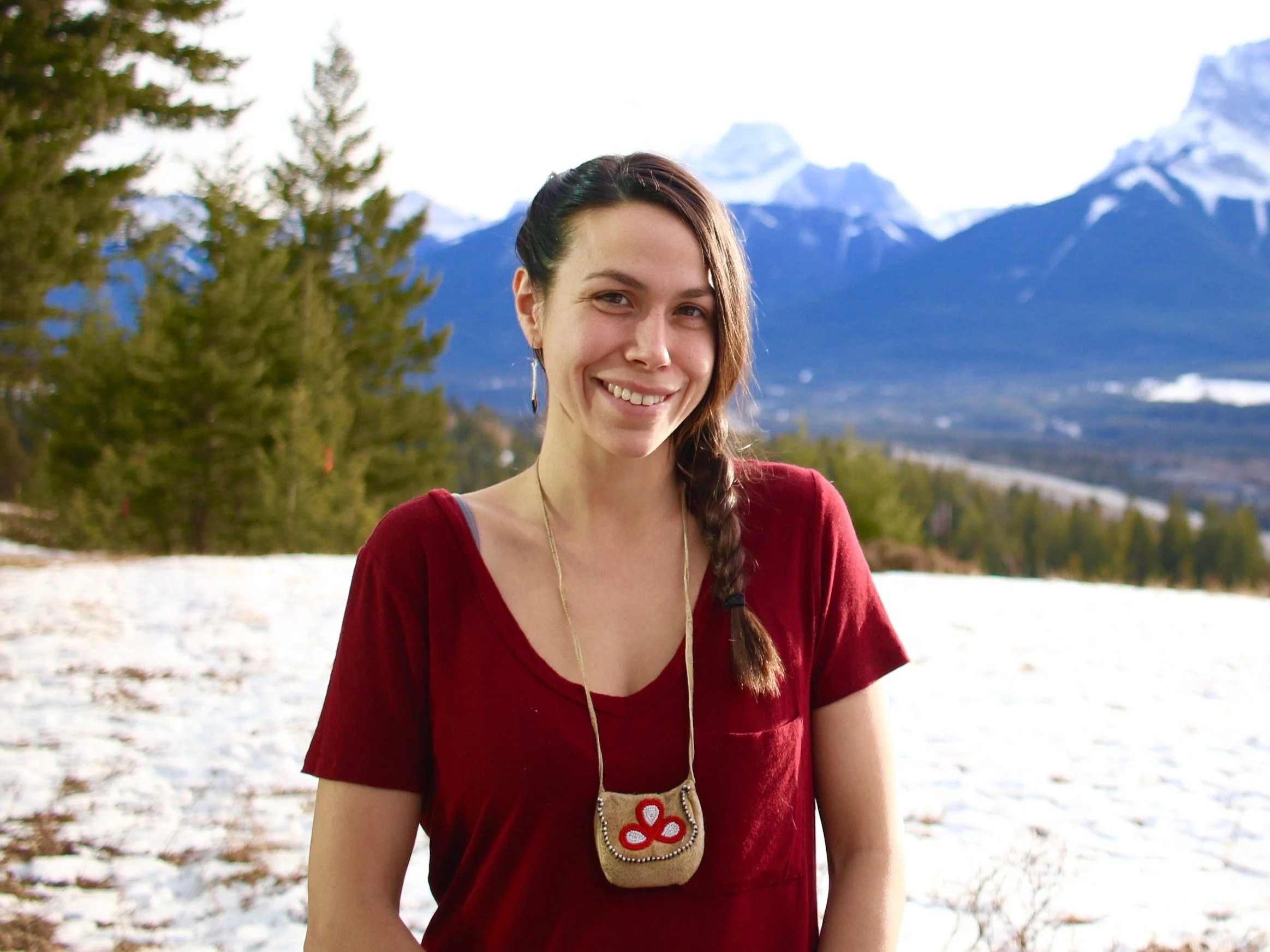
Theresa Westhaver (she/they) is of proud Secwépemc, Cree, Métis and mixed settler ancestry with deep stek̓lép (roots) in the mountain of what is now known as Jasper National Park.
Theresa is a co-founder and the National Program Manager for Howl. Her passion is in inspiring students about conservation, and connections to truth and reconciliation through a two-eyed seeing approach.
Theresa received a Bachelor of Science in Physical Geography at UNBC in 2018, with specializations in environmental science and glacial geomorphology. She is an interpretive glacier guide for Indigenous-owned Zuc’min Guiding, collaborates closely with Warrior Women, in addition to experience working as the Indigenous liaison for Jasper National Park, as well as an outdoor/sustainability educator for Parks Canada.
Theresa also runs a small business called Mountain Stek̓lép. Mountain Stek̓lép is rooted in reciprocal relationships with the land, and bridges Indigenous ways of knowing and being with Theresa’s scientific background. It combines Theresa’s passion for creating art in the forms of beadwork and other sustainable pieces using upcycled and found materials, with her enthusiasm for sharing her knowledge of plants, landscapes, ecosystems and experience as an Apprentice Interpreter and IGA Hiking Guide in the Rocky Mountains.
In 2022, she was awarded the honor of being a Corporate Knights “Top 30 Under 30 for Sustainability Leader”. She is a single mother who meaningfully weaves her young child into her work and community. Theresa is creating more sustainable communities today while supporting the next generation of sustainable leaders.
Partners & supporters
Thank you to our partner, the Îyârhe Nakoda Food Bank.
This program is funded in part by the Government of Alberta Indigenous Reconciliation Iniviatives Project Grant