
From October 22 to October 27, a group of Grade 9-12 students set off on the Howl East Coast Creative Journey to Mi'kma'ki / Nova Scotia. Based at The Deanery Project, an environmental and arts learning centre nestled between the forest and ocean in Lower Ship Harbour. Our students spent six transformative days immersed in experiential learning. The trip was intentionally designed around three guiding pillars: Two-Eyed Seeing (Etuaptmumk), environmentalism & land-based learning, and experiential music learning & artistic expression.
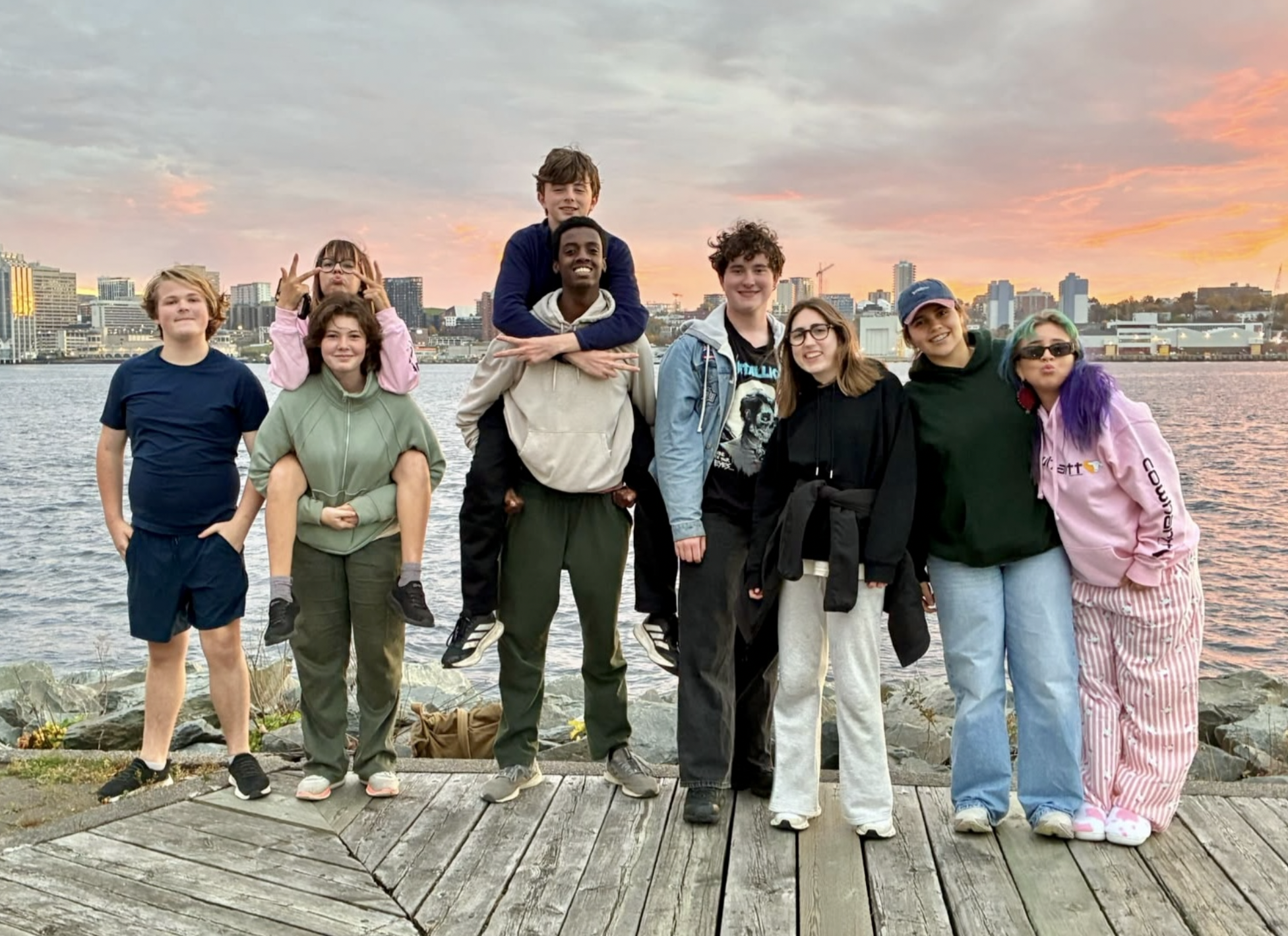
Central to the experience was Etuaptmumk (Two-Eyed Seeing), the practice of weaving together the strengths of Indigenous knowledge with Western perspectives. Grounding the journey from the start, the group opened with a traditional Honour Song and smudge ceremony, later creating birch bark crafts and engaging in traditional Mi’kmaq teachings. Students also broadened their cultural and historical understanding through a tour of Africville in Halifax led by Elder Terry, learning about Black history and community resilience. Bringing these rich cultural threads together, a major highlight of the trip was an African and Mi'kmaq drum and dance fusion workshop led by Sobaz Benjamin and Raymond Sewell, which featured small-group breakout sessions and culminated in a vibrant, collaborative final performance and full group jam session.
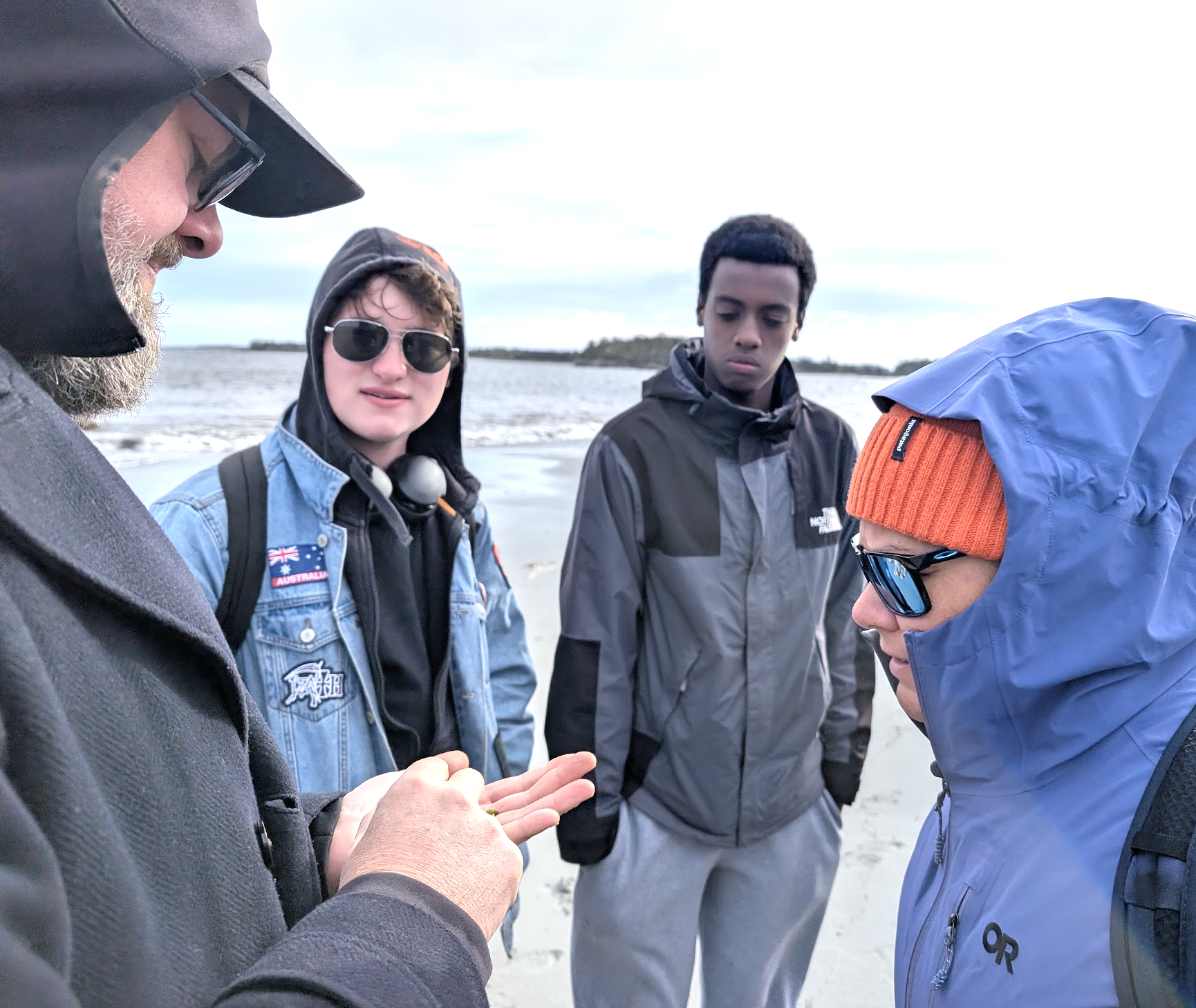
Living in community at The Deanery Project allowed students to engage directly with ecological stewardship, permaculture principles, and sustainable living. During a site tour, students learned about the history of the land and saw how structures were built with the environment in mind using natural materials like clay, straw, and hempcrete. They explored key features including a medicine wheel garden, greenhouse, pollinator garden, rocket stove, and biochar system. Students also visited the on-site recording and stained glass studios, as well as the woodworking and bike shops. Connecting learning directly to the ocean, students explored coastal ecology, learning about local marine life such as sugar kelp, during a guided hike at Taylor Head Provincial Park with marine biologist Greg Puncher. Throughout the week, the group also gathered for reflective trail walks, shared an outdoor pizza oven meal, and enjoyed a sunset at Clam Harbour Beach.
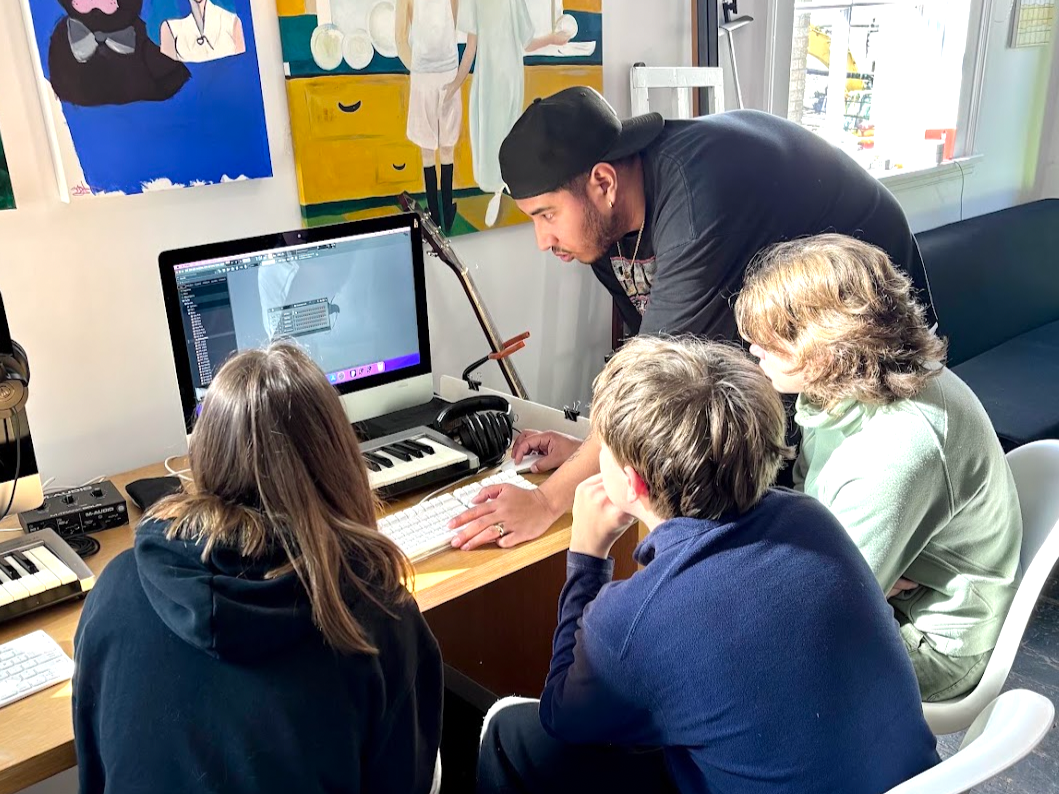
Creative expression was seamlessly woven through every aspect of the itinerary, giving students the freedom and tools to experiment with sound, words, and media. Morning freewriting sessions and attuned listening to music such as Oliver Schroer’s album, Camino, started each day with mindfulness and reflection. In Dartmouth, students participated in a lyric writing session and digital beat-making workshop using FL Studio at the MacPhee Centre for Creative Learning. Students also engaged in a dedicated music-making and audio recording session with musician Brad McGoey. To explore themes of personal expression, creativity, and their connection to land and culture, they completed tasks to prepare for recording a live podcast with program facilitator George Woodhouse. A special evening in Halifax was the live concert featuring Sadie Skinner and Mat Hughes. To celebrate the journey's conclusion, everyone gathered in Halifax to perform at an Open Mic Night at the Big Life Cafe alongside special guest Mat Hughes and local musicians.
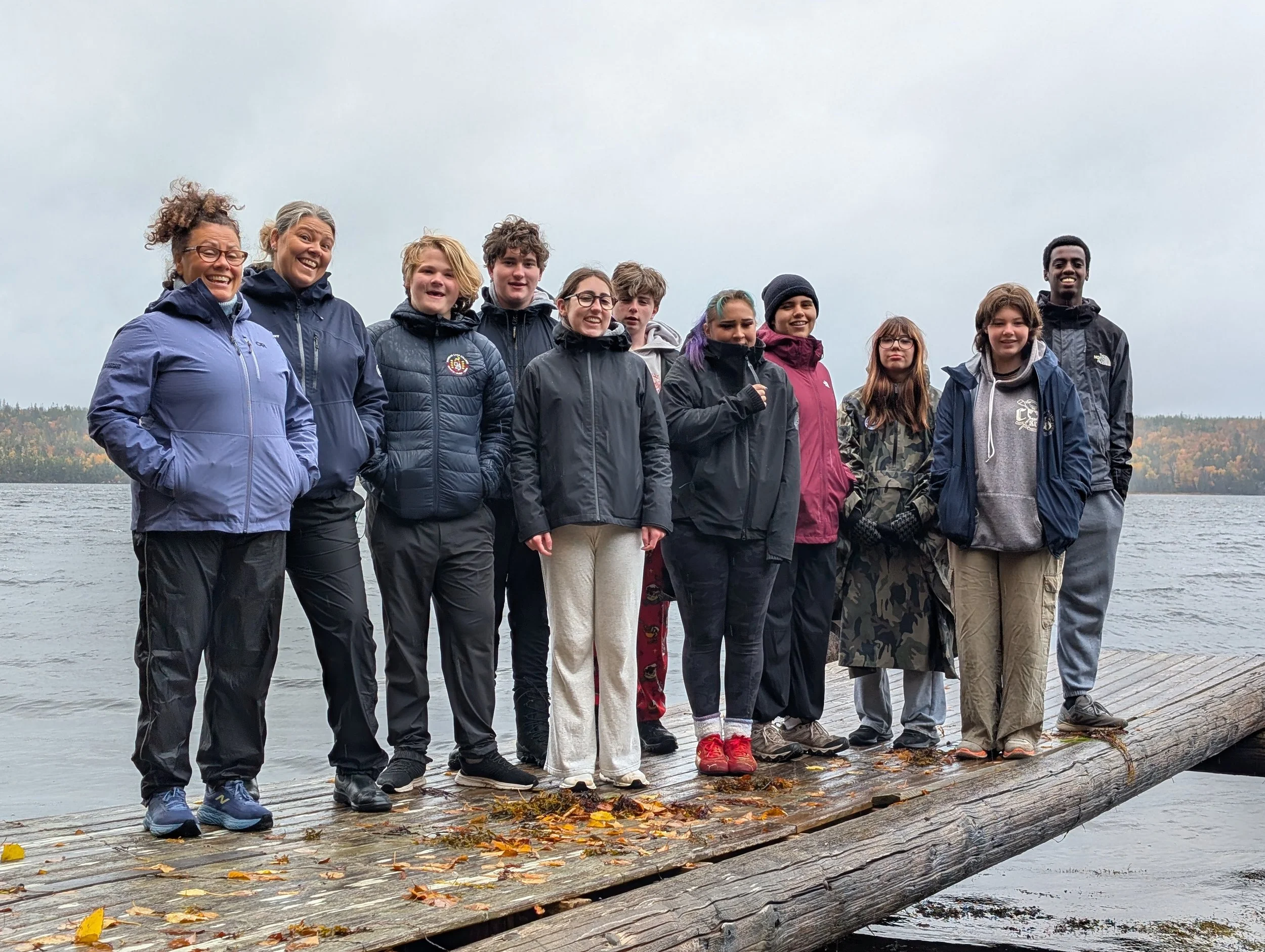
Throughout every moment of the journey, we could not be prouder of how our RLC students represented themselves and our school community. They engaged deeply in every aspect of the program, built meaningful connections with local facilitators and guest artists, shared in thoughtful group conversations, and truly flourished as curious, creative learners. As musician Jacob Collier famously noted, “Music is a universal language that allows us to connect with parts of ourselves, and each other, that words alone cannot reach.” When youth are given the space to make music, write, create, and share their stories in a safe, supportive environment, creative expression empowers them to discover their authentic voices, process their place in the world, and build personal resilience. By harmonizing Two-Eyed Seeing, land stewardship, Mi'kmaw culture, and experiential music-making, experiences like these demonstrate that art and music are far more than hobbies. The arts are transformative tools for finding our authentic voices, expressing our shared stories, and building lifelong connections with one another and the land.
Written by Tasha Forster, Music Teacher & Guidance/Wellness Counsellor with Rosseau Lake College